
6 things to sort before you fly
Essentials for FranceMost visitors see Paris and go home. That's 10% of France — the loudest 10%. The other 90% includes lavender-covered plateaus, a coastline that stretches from the Channel to the Mediterranean, and small cities that cook better than anywhere in Paris.
FinderTrip research · April 2026If You Want to Go Deeper After Choosing a City
Once you've picked your base, here's the wider context — what each region offers, how they differ, and which ones combine well.
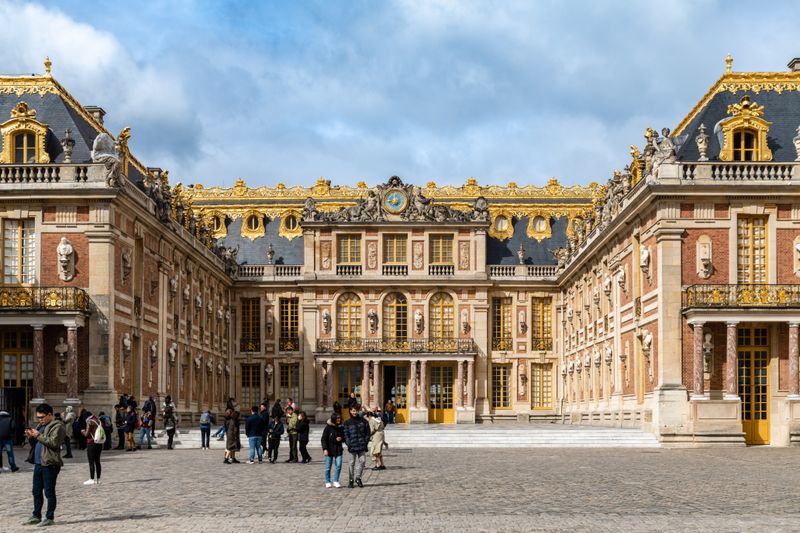
Île-de-France — Paris, Versailles, Day Trips
Paris alone justifies a 5-day trip and still rewards a return. Versailles is 40 minutes by RER C; Giverny and Fontainebleau are under 90 minutes. The city has 130+ museums, most requiring advance booking in high season. For a first-time France trip, base yourself here and make one day trip.

Provence & Côte d'Azur — Sun, Lavender, Riviera
The south of France is two regions in one: inland Provence with lavender fields, limestone villages, and Roman ruins; and the Riviera coast from Nice to Monaco. June–July for lavender. September for the beach without August prices. Aix-en-Provence is the most liveable French city that isn't Paris.
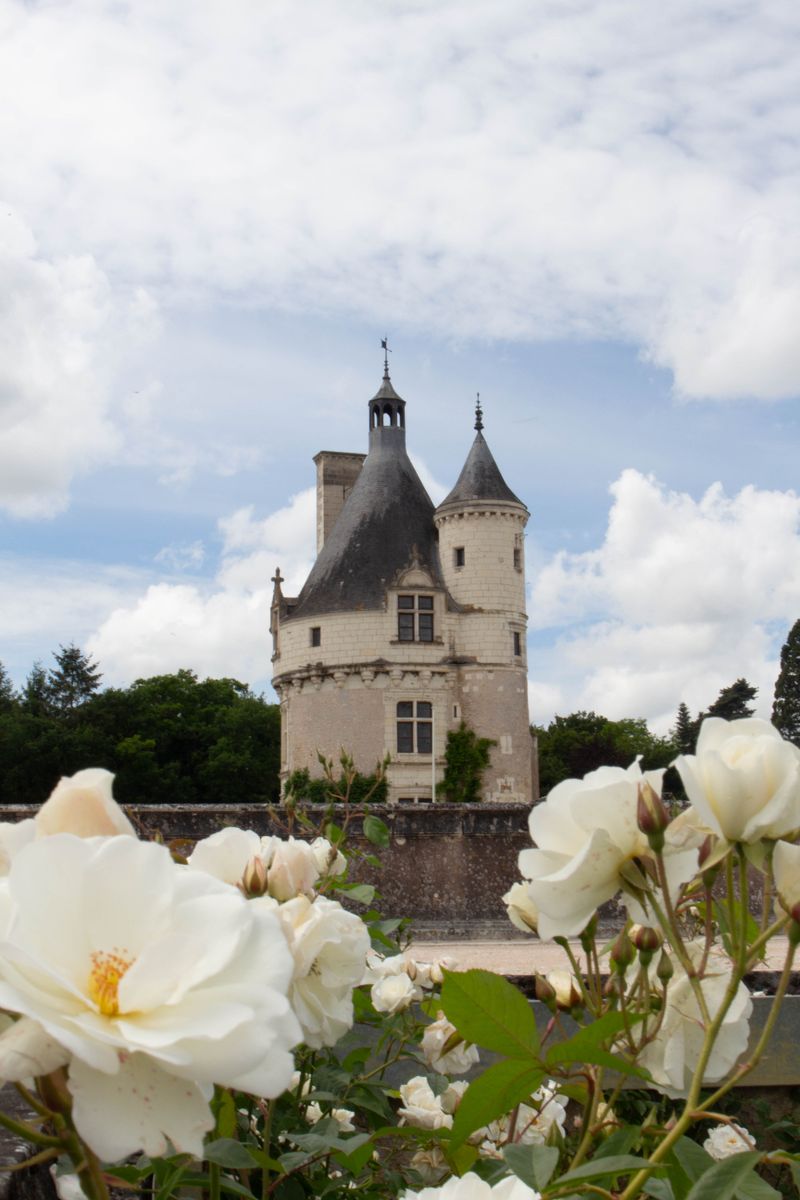
Loire Valley — Châteaux, Wine, Cycling
The 'Garden of France' holds the highest concentration of Renaissance châteaux anywhere in the world — Chambord, Chenonceau, Amboise, and Villandry within 60km of each other. Best by bike: the Loire à Vélo trail connects all the major castles on dedicated paths. A 3-night base in Tours or Amboise covers the highlights.
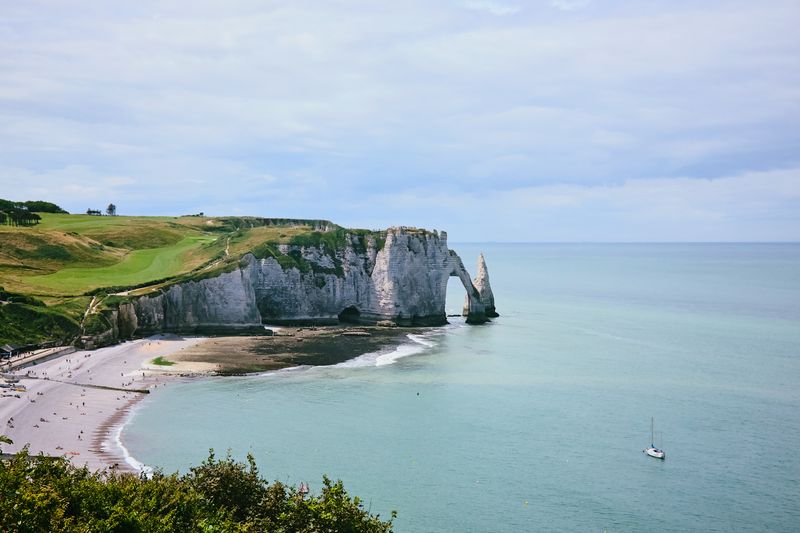
Normandy & Brittany — Coast, History, Seafood
Normandy's chalk cliffs (Étretat), D-Day beaches, and Mont Saint-Michel all within one region. Brittany adds the best crêpes and galettes in France, dramatic granite coastlines, and Celtic character unlike anywhere else in the country. Both accessible by TGV from Paris in 2–3 hours.
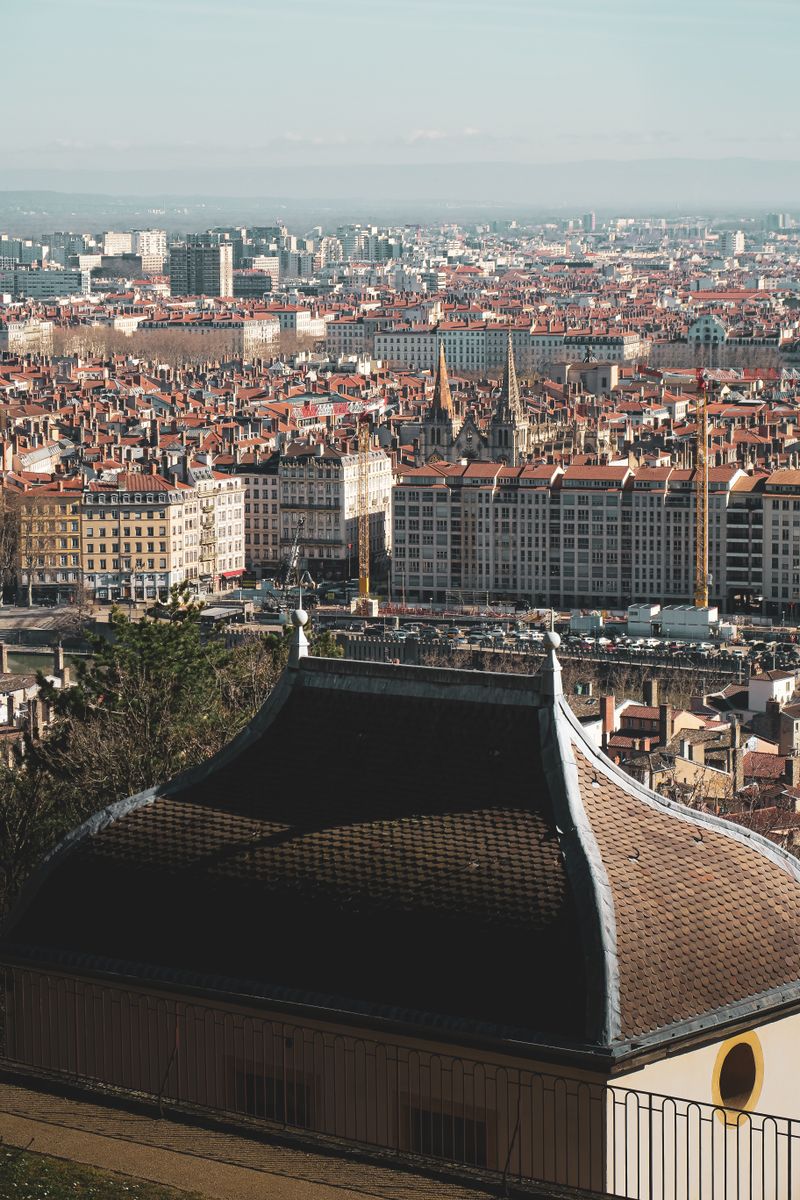
Burgundy & Lyon — Food, Wine, Gastronomy
Lyon is France's second city and its undisputed culinary capital — more Michelin stars per capita than Paris. Burgundy produces Pinot Noir and Chardonnay of a standard copied everywhere, matched nowhere. Dijon is the most underrated city in France. The combination of Lyon + Beaune in 4 days makes a perfect France trip that most visitors completely miss.
Still deciding where to go in France?
July and August are peak season everywhere in France — the Riviera doubles in price and the lavender fields in Provence are overrun by 9AM. May–June and September give you the same landscapes at 30–40% lower accommodation costs. December for Christmas markets in Strasbourg, Colmar, and Paris — worth it if you book 8+ weeks ahead.
Who is France Actually For?
Honest answer: almost everyone, but for genuinely different reasons.
France Cities — Ranked by What They're Best At
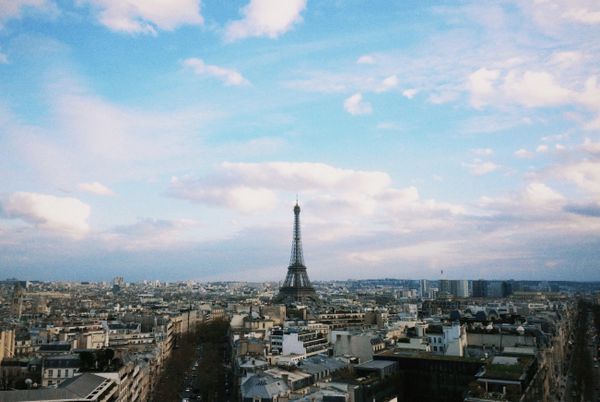
Paris — Culture, museums, food, fashion
Best for: everyone on a first trip, couples, luxury. 130+ museums (many free), world-class food, the Louvre, the Eiffel Tower. Full guide live.
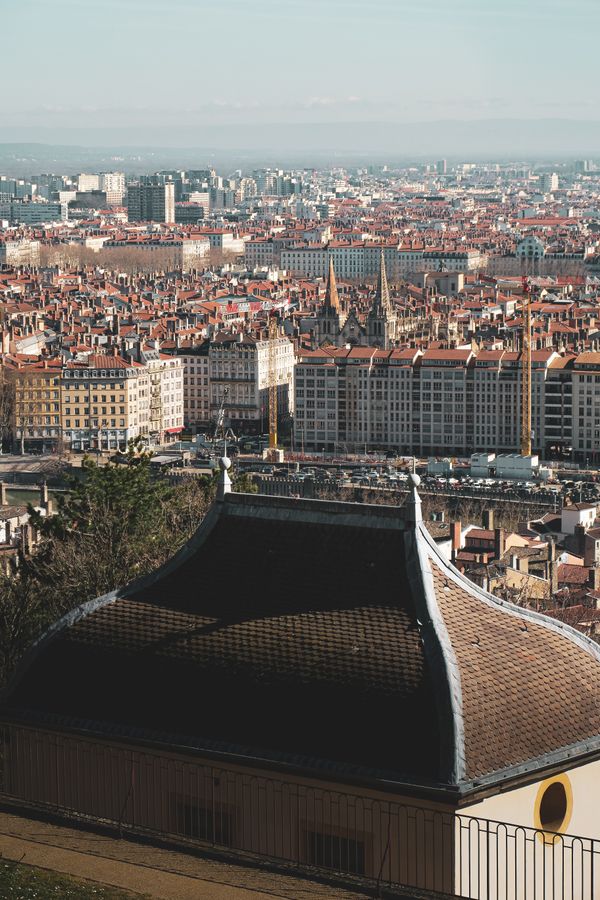
Lyon — Gastronomy, Roman history, bouchons
Best for: food lovers, city breaks, culture. France's culinary capital has more Michelin stars per capita than Paris. Coming soon.
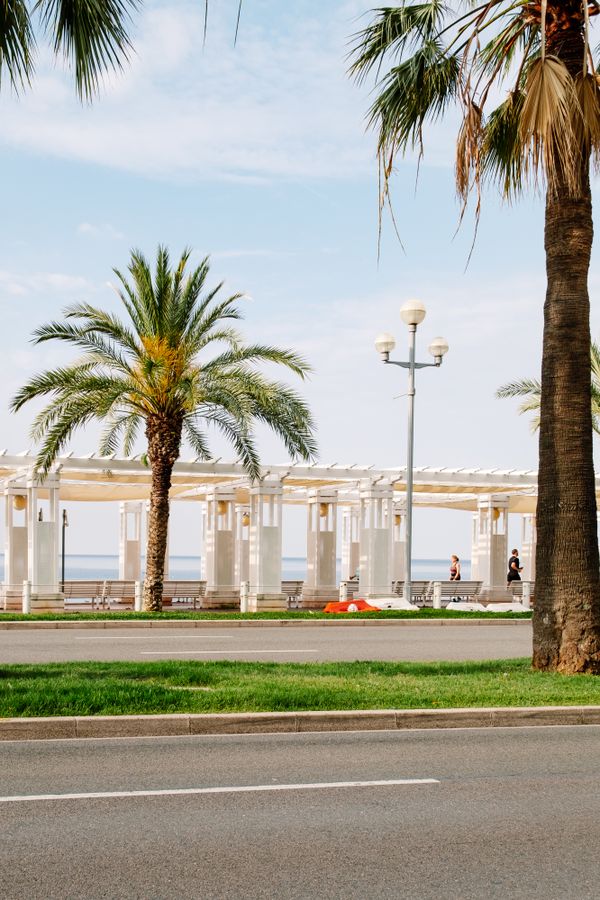
Nice — Riviera coast, old town, markets
Best for: beach holidays, couples, the Côte d'Azur base. Promenade des Anglais, colorful old town, 300 days of sunshine. Coming soon.
Tickets That Usually Sell Out in France
The Louvre queue at 11am is 45 minutes. Versailles books out for summer weekends 3 weeks ahead. These are the experiences worth booking now — all 4.7+, free cancellation.
Louvre Museum — Skip the Queue + Guided Highlights
Skip the pyramid queue with a timed entry ticket. A guided 2.5-hour tour hits the Mona Lisa, Winged Victory, and Venus de Milo without the self-guided navigation tax. Book the 9am slot on weekdays.
Eiffel Tower Summit Access with Lift
Timed lift access to the summit at 276m. Book the first 9am slot to beat tour groups by an hour. The sparkle show runs every hour after dark — plan your visit around it.
Versailles Palace + Gardens — Half-Day
The Hall of Mirrors, the Royal Apartments, and the gardens that stretch past the horizon. Takes 4–5 hours minimum to do it justice. RER C from Paris is 40 minutes.
Seine Dinner Cruise — Bateaux Parisiens
3-course dinner as the Eiffel Tower, Notre-Dame, and Louvre slide past. The food is secondary to the view — but the setting is unbeatable. Jacket required for the formal seating.
Visa for France — Schengen Rules Apply
France is part of the Schengen Zone. That means one set of rules covers 27 countries — your France days count toward your Schengen total.
Who needs what — verified April 2026
US, Canada, Australia, UK, most EU citizens
You get 90 days in any 180-day period across the entire Schengen Zone — not 90 days in France specifically. If you've spent time in Germany, Italy, or Spain in the same period, those days count. From 2025 onward, ETIAS pre-authorisation is required for all visa-exempt non-EU travellers.
US, UK, Canada, Australia, NZ and others
The European Travel Information and Authorisation System is required before entering any Schengen country. Apply at travel-europe.europa.eu/etias before your trip — it costs €7 and is approved within minutes for most nationalities. Valid for 3 years. Do not skip: airlines check at boarding.
India, China, most African and South Asian passports
A Schengen short-stay visa (type C) is required. Apply at the French consulate in your home country at least 3 months before travel. Approval is not guaranteed. The process takes 2–6 weeks. If France is not your main destination, apply at the consulate of the country where you'll spend the most time.
US, UK, Canadian, and Australian visitors now need ETIAS before entering France or any Schengen country. It costs €7, takes 10 minutes to apply online, and is valid for 3 years across the whole Schengen Zone. Apply at travel-europe.europa.eu/etias at least 72 hours before departure.
Getting Around France — Train First, Almost Always
France has one of the world's best high-speed rail networks. Paris to Lyon is 2 hours by TGV (not worth flying). Paris to Nice is 5.5 hours. Renting a car makes sense for Provence, the Loire Valley, and rural Burgundy — not Paris or Lyon.
TGV & Intercités
Paris to Lyon: 2h. Paris to Marseille: 3h 20m. Paris to Nice: 5h 30m. Paris to Bordeaux: 2h 5m. Book on SNCF Connect or Trainline. Advance tickets from €19. Walk-up fares are 3–5× more.
Rental Car
Essential for Provence villages, the Loire Valley châteaux trail, Burgundy wine routes, and the Dordogne. Avoid Paris entirely — parking is €30/day and traffic is brutal. Right-hand drive, Schengen-free.
Domestic Flights
Paris to Nice door-to-door: TGV is 5.5h vs. flight at 4.5h — not worth it unless your time is truly limited. The one real case: Paris to Corsica (no train alternative).
A France-only rail pass almost never beats individual TGV advance tickets. It makes sense only if you're combining France with 2+ other European countries and want maximum flexibility. For a France-only trip: book directly on SNCF Connect 2–3 months ahead to lock in the lowest fares.
France drives on the right — straightforward for most visitors. The main surprises are toll roads on autoroutes, low-emission zone (ZFE) stickers required in Paris and several major cities, and the old priorité à droite rule still active on some unmarked urban roads.
- Speed limits — 50 km/h in urban areas · 80 km/h on secondary roads · 110 km/h on dual carriageways · 130 km/h on autoroutes (110 km/h in rain). Speed cameras are frequent and enforce strictly.
- Autoroute tolls (péages) — Most motorways are tolled. Paris to Lyon: roughly €40–50 in tolls each way. Have a card or cash ready. Télépéage (electronic) lanes require a badge — don't use them without one.
- Crit'Air vignette (ZFE) — Paris and several cities enforce low-emission zones. You need a Crit'Air sticker (€4.51, ordered online) to drive in central Paris on weekdays and during pollution peaks. Non-compliant vehicles face fines.
- Priorité à droite — On unmarked intersections in towns, traffic from the right has priority — even if it looks like a minor road. Watch for the diamond sign that waives this rule on main roads. Missing it catches many overseas drivers.
- Péage booths with card-only lanes — always have a contactless card ready before you reach the toll
- Roundabouts in France: traffic already on the roundabout generally has priority (signs confirm), opposite to the old priorité à droite rule
- Paris's Boulevard Périphérique: fast, merging traffic, tight lanes — avoid peak hours (07:30–09:30 and 17:00–19:30)
- Gendarmerie road checks in rural areas — carry your passport, insurance documents, and hire-car papers at all times
EU, US, Australian, Canadian, and most international driving licences are valid in France. An International Driving Permit (IDP) is recommended for non-Roman-script licences. Car hire companies typically require a credit card in the driver's name.
Getting Between France Cities
France's TGV network is one of the world's best — trains beat flying for almost every domestic route.
When to Visit France — Month by Month
May–June and September are the two best months for most travelers. Spring gardens, post-summer prices, and the best weather before the August peak.
What France Actually Costs in 2026
France has a wider price range than its reputation suggests — and most of what you've heard about it being expensive is specifically about Paris. Paris is expensive — a coffee runs €4–5, a bistro dinner €30–50 per head. Everywhere else in France is significantly cheaper. Lyon and Bordeaux: 25–35% below Paris. Provence villages, Brittany, and the Loire Valley: 35–50% cheaper for accommodation.
Budget traveler (hostel or budget hotel, boulangerie breakfasts, bistro formule lunches): €55–75/day outside Paris, €85–120 in Paris. The formule trick — starter plus main for €18–24 at lunch — cuts food costs dramatically. Many city museums are free or have one free day per week. Mid-range (3-star hotel, restaurant dinners): €130–180/day in Paris, €85–130 elsewhere.
The single best cost-saving move in France: the lunch formule. The same bistro that charges €45 for a two-course dinner serves the same food for €22 at midday. Reverse your eating — eat your big meal at lunch, lighter in the evening. Works across the entire country.
Is France safe?
France is a safe destination for the vast majority of visitors. Violent crime rates in tourist areas are low. The main concerns are opportunistic theft in Paris's busiest spots and pedestrian scams around the major monuments. Outside Paris, safety incidents involving tourists are rare.
- Pickpocketing concentrates around the Eiffel Tower, Sacré-Coeur steps, Champs-Élysées, and on RER B to CDG airport. Use a cross-body bag and keep phones off tables at pavement cafés.
- Common scams: the 'found gold ring' offer near monuments, clipboard petition signers who demand payment, and friendship bracelet sellers who tie one on then demand €10. A firm 'Non, merci' and walking away ends all three.
- Métro lines 1 and 4 (running through tourist zones) have the highest theft rates. Keep bags on your lap, not on overhead racks. Zipped pockets only in crowded carriages.
- Emergency numbers: 15 (SAMU — medical), 17 (Police), 18 (Pompiers — fire/rescue), 112 (EU-wide, works from any phone including no-SIM mobiles). English-speaking operators available on 112.
Save this page for later
Get this exact page as a clean PDF. No extras — just an easy version to keep on your phone or print. Unsubscribe anytime.
Plan Your France Trip in 3 Steps
If you want to do this quickly and not overthink it — here's the fastest path from 'I want to go to France' to a real itinerary.
Pick your region
Paris for a first trip. Provence for a romantic slower trip. Loire Valley for wine and châteaux. Don't try to do all three in under 12 days — one region done well beats three rushed.
→ Go to city guideLock your dates by season
May–June and September for most travelers. July–August is genuinely warm but prices spike 30–50% for Riviera accommodation and Paris hotels. December for Christmas markets in Strasbourg and Colmar — book 8+ weeks ahead.
→ Check the weather gridBook key tickets early
Louvre, Eiffel Tower, and Versailles all require advance booking in peak season — often 2+ weeks ahead. Book these before your flights in summer. ETIAS pre-authorisation required for non-EU visitors.
→ Book skip-the-line tickets