
6 things to check before your Tokyo trip
Everything worth booking in advance for Tokyo.
Tokyo travel — quick answers
Is Tokyo worth visiting?
Tokyo is worth visiting for at least 5 days and serves over 38 million visitors annually. Budget $120 per day for a comfortable mid-range trip — that covers a hotel in Shinjuku, three meals, and metro fares. The city has 195 Michelin-starred restaurants, a crime rate low enough to leave your bag on a cafe chair, and neighborhoods that feel like separate cities.
Top 20 Tokyo attractions you can't miss
The sights worth booking in advance, with insider tips on timing.
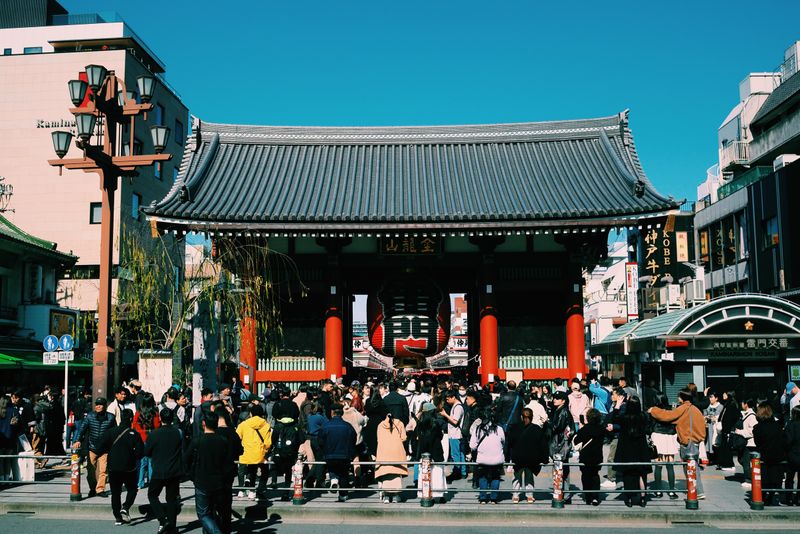
Senso-ji Temple
Tokyo's oldest Buddhist temple, founded in 645 AD after a statue of Kannon was reportedly pulled from the Sumida River. The Kaminarimon Gate and five-storied pagoda are the most photographed structures in Asakusa. The main hall opens at 6am — arrive then and you have the courtyard almost to yourself before the souvenir stalls on Nakamise-dori open.
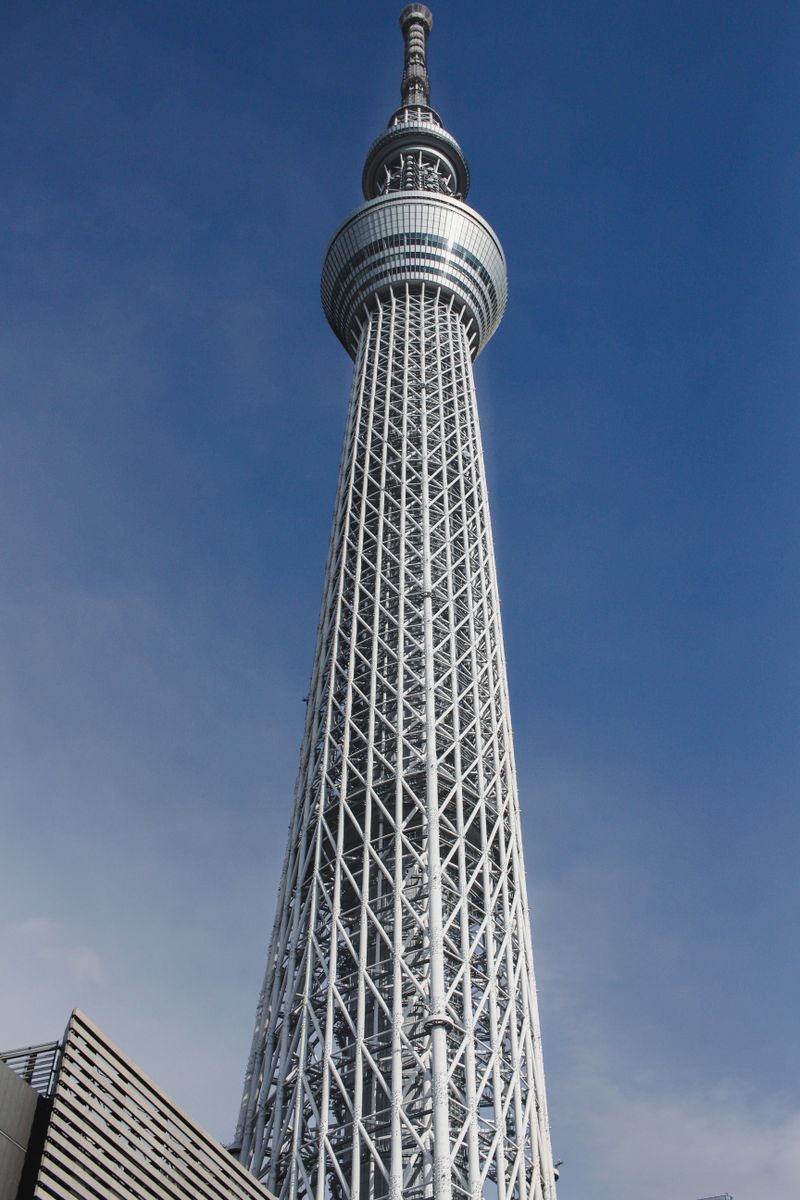
Tokyo Skytree
At 634 meters, Tokyo Skytree is the tallest tower in the world and twice the height of Tokyo Tower. The Tembo Deck sits at 350 meters and the Tembo Galleria at 450 meters — the upper deck has a glass-floored spiral walkway with fewer visitors than the main deck. Entry costs $33 and covers both observation levels.
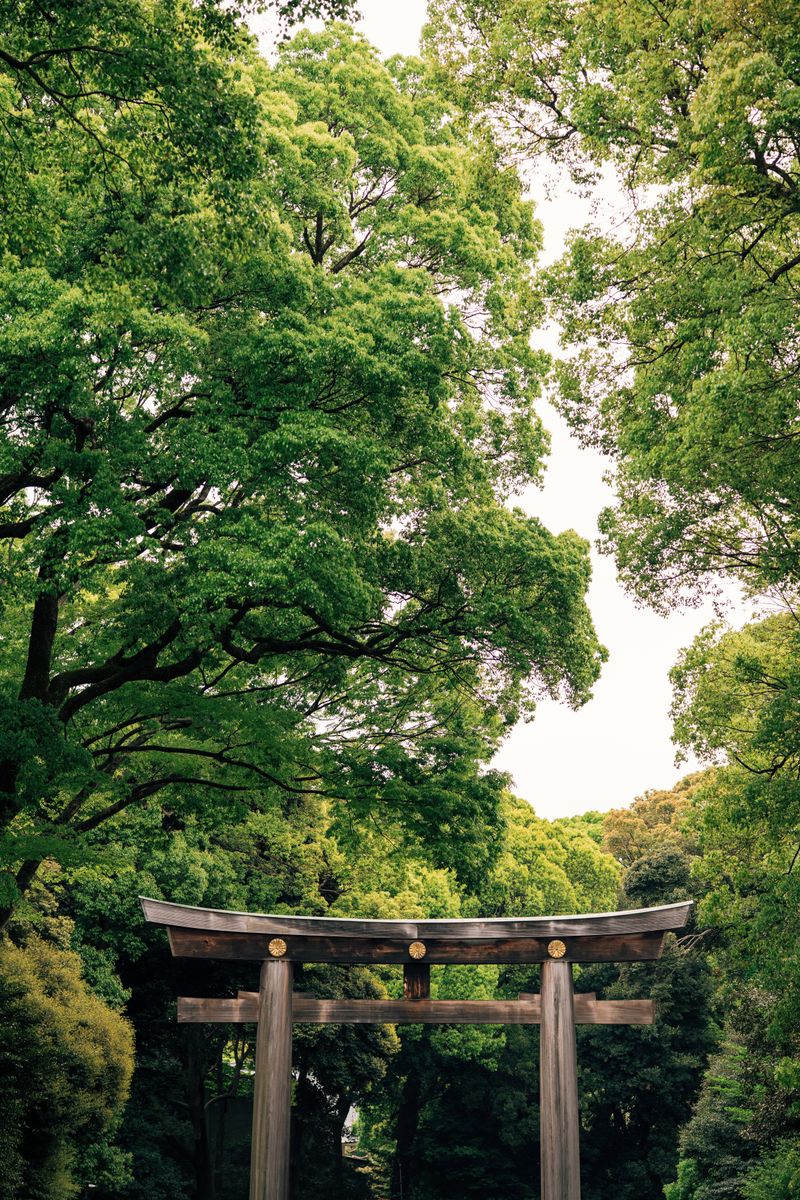
Meiji Shrine
A Shinto shrine dedicated to Emperor Meiji, set inside a 70-hectare forest planted with over 100,000 trees of 246 species — all of it in the middle of Shibuya-ku. The wide gravel path from the torii gate to the main hall takes about 10 minutes to walk and feels nothing like the city outside. Entry is free.
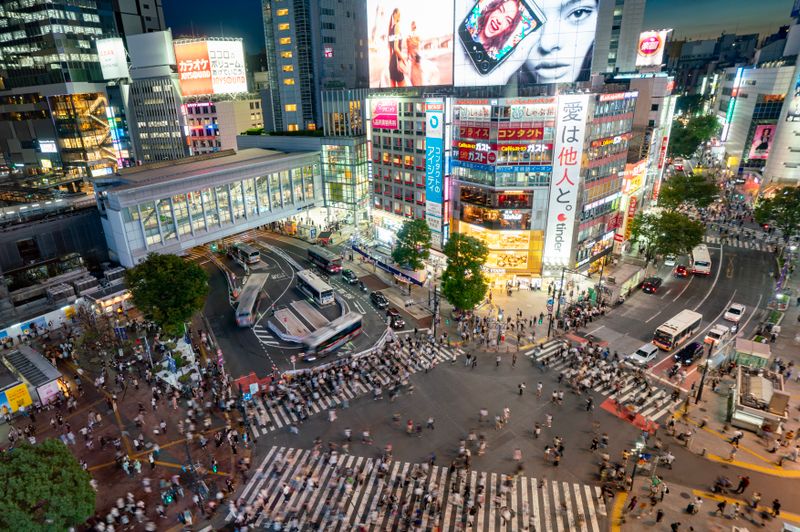
Shibuya Crossing
Up to 3,000 people cross simultaneously when the lights change at Shibuya Crossing, making it the highest-volume pedestrian scramble in the world. The crossing itself is free and open 24 hours. The second-floor Starbucks on the northeast corner has a window seat directly above the crossing — arrive 20 minutes before rush hour (8-9am or 5-7pm) to get a seat.
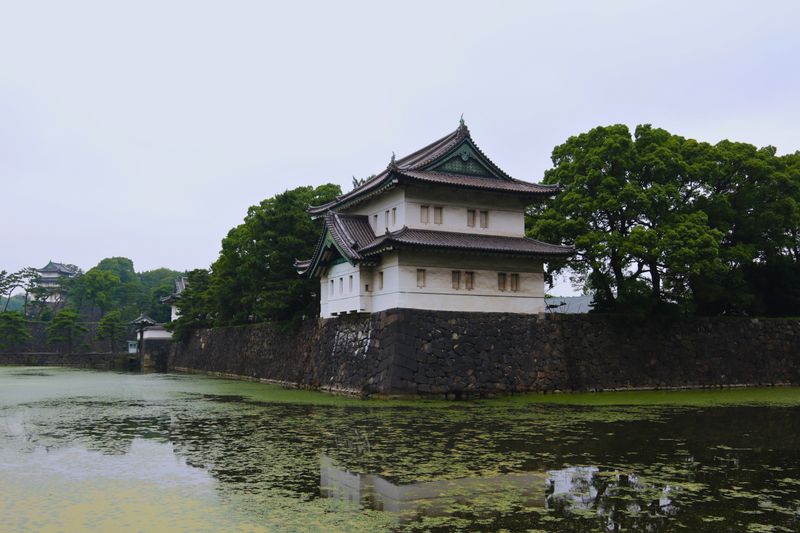
Imperial Palace East Gardens
The East Gardens of the Imperial Palace are open to the public and free to enter, covering the former site of Edo Castle's innermost compound. The grounds include stone walls, moats, and seasonal plantings — late March brings plum blossoms, mid-April brings cherry blossoms. The palace grounds span 1.15 square kilometers, larger than Buckingham Palace.
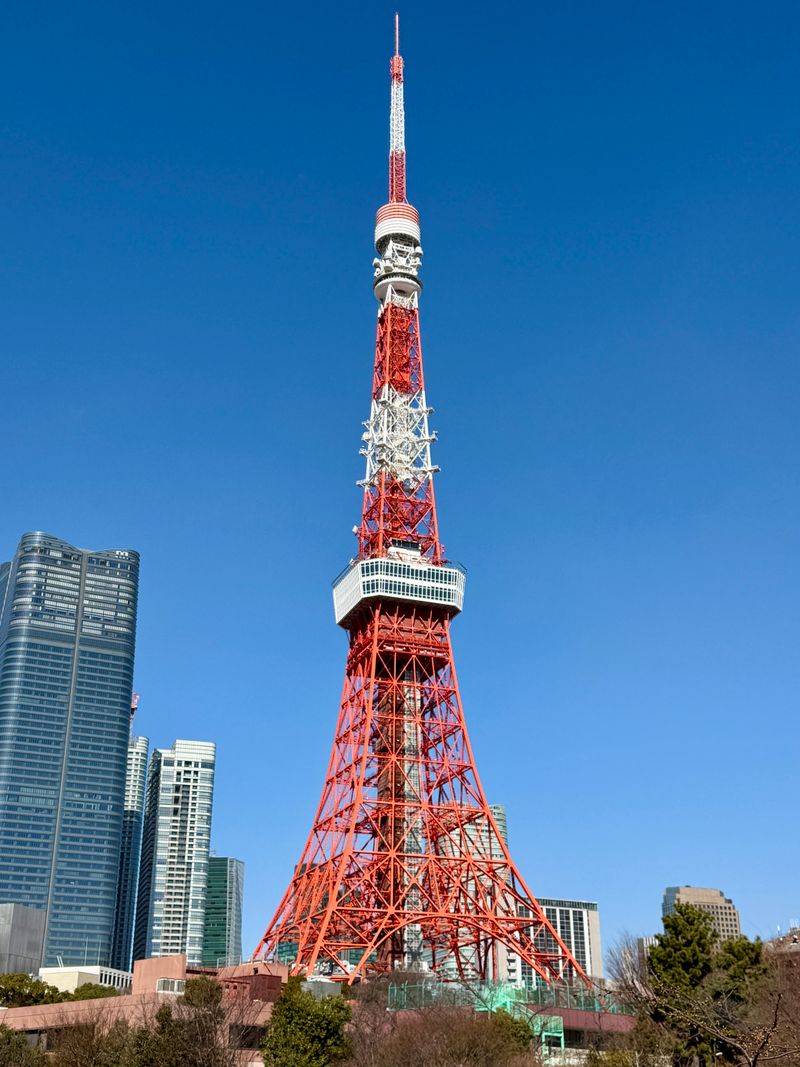
Tokyo Tower
Built in 1958 and standing 333 meters tall, Tokyo Tower held the title of Japan's tallest structure for 50 years before Tokyo Skytree surpassed it. The orange-and-white lattice steel structure stands out best at night when it illuminates Minato ward, rivaling the nearby Roppongi skyline. Entry to the main observatory costs $20.
See the other 14 ↓
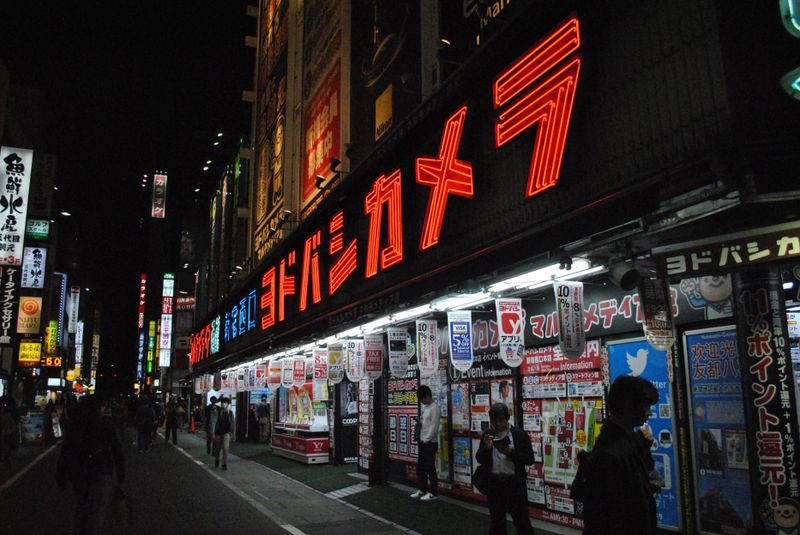
Akihabara
Akihabara packs over 400 anime, gaming, and electronics shops into a few square blocks of Chiyoda-ku, earning its nickname Electric Town. Multi-story arcades, maid cafes, and retro game shops line Chuo-dori and the side streets off it. Entry to the neighborhood is free — budget separately for whatever you buy.
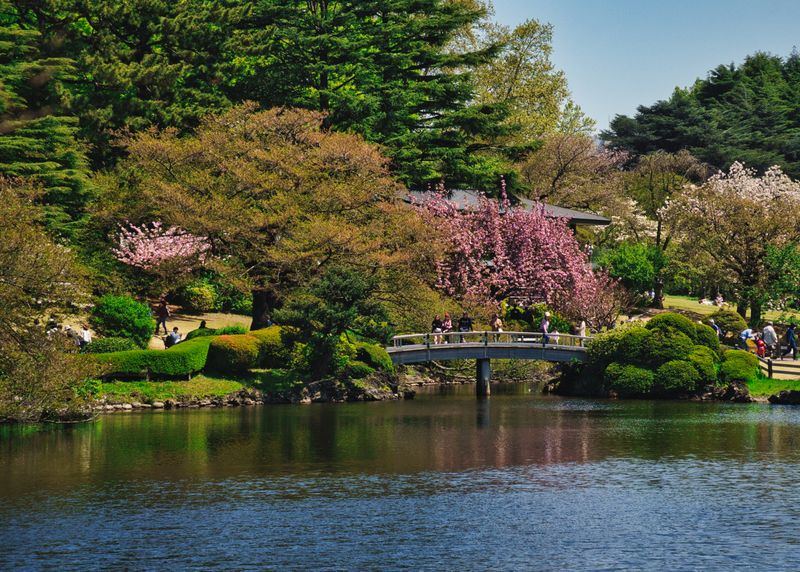
Shinjuku Gyoen National Garden
Shinjuku Gyoen covers 58 hectares and combines Japanese, French, and English garden styles in one park, completed in 1906 on the site of a feudal lord's mansion. It's one of the best cherry blossom spots in Tokyo, with over 1,000 trees. Entry costs $5 and the park closes on Mondays.
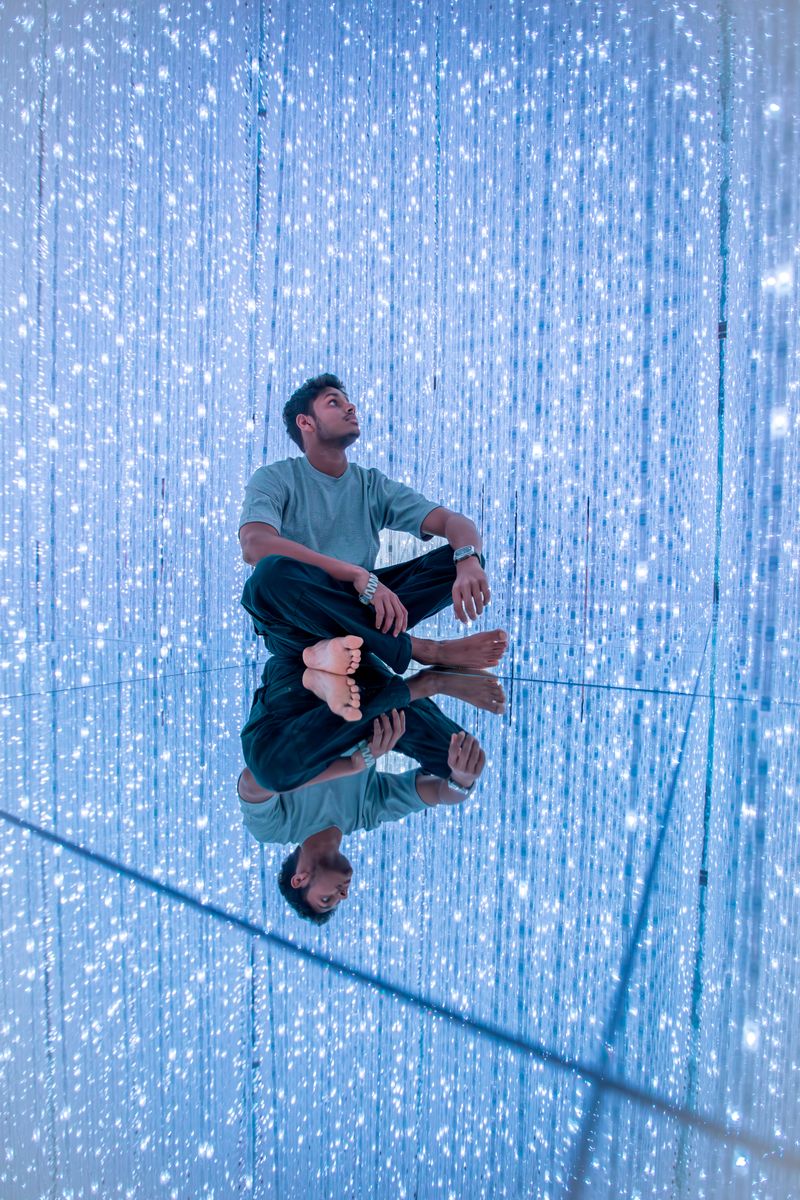
TeamLab Borderless
TeamLab Borderless is a 10,000-square-meter digital art museum in Minato with over 60 interactive light installations that flow between rooms without fixed boundaries. Visitors walk barefoot through water-based rooms and light tunnels. Tickets cost $38 and must be booked in advance — same-day entry is rarely available.
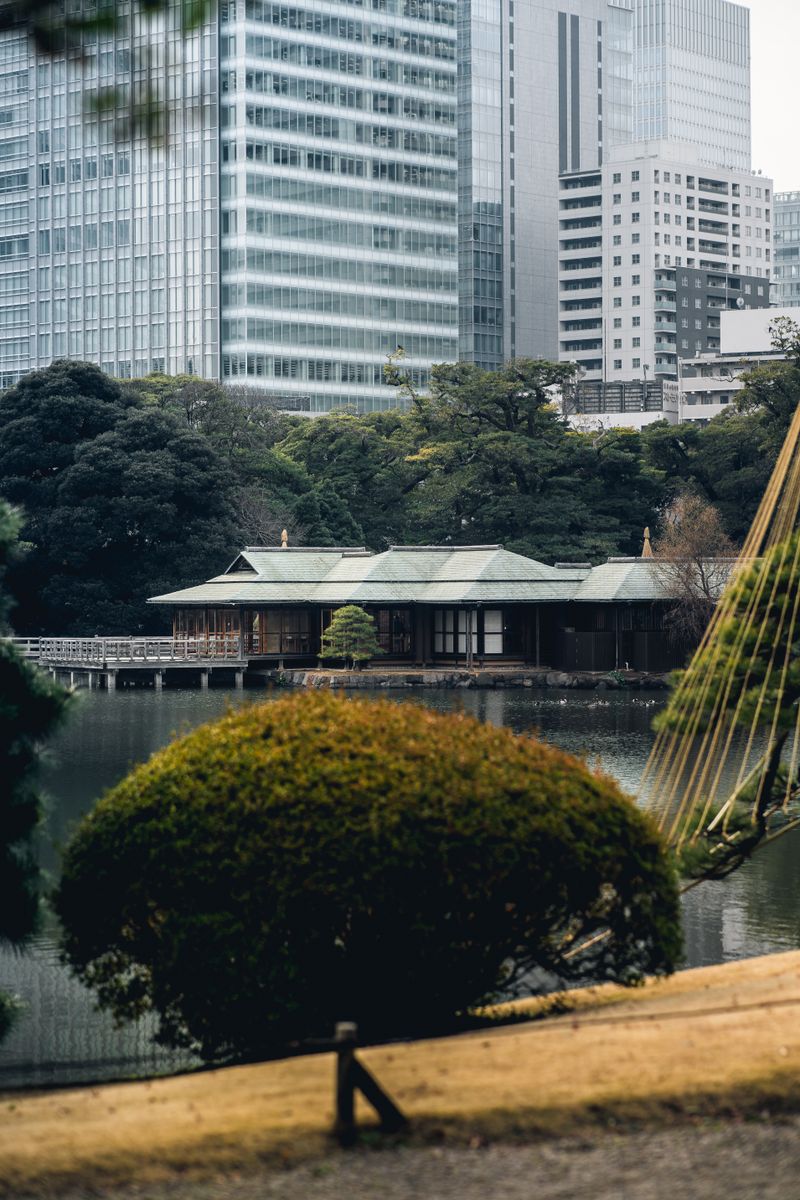
Hamarikyu Gardens
Hamarikyu is a 250-year-old seaside garden with tidal ponds that rise and fall with Tokyo Bay twice daily, surrounded by Shiodome skyscrapers. The Nakajima-no-Ochaya teahouse sits on an island in the middle of the main pond and serves matcha and wagashi. Entry costs $3.
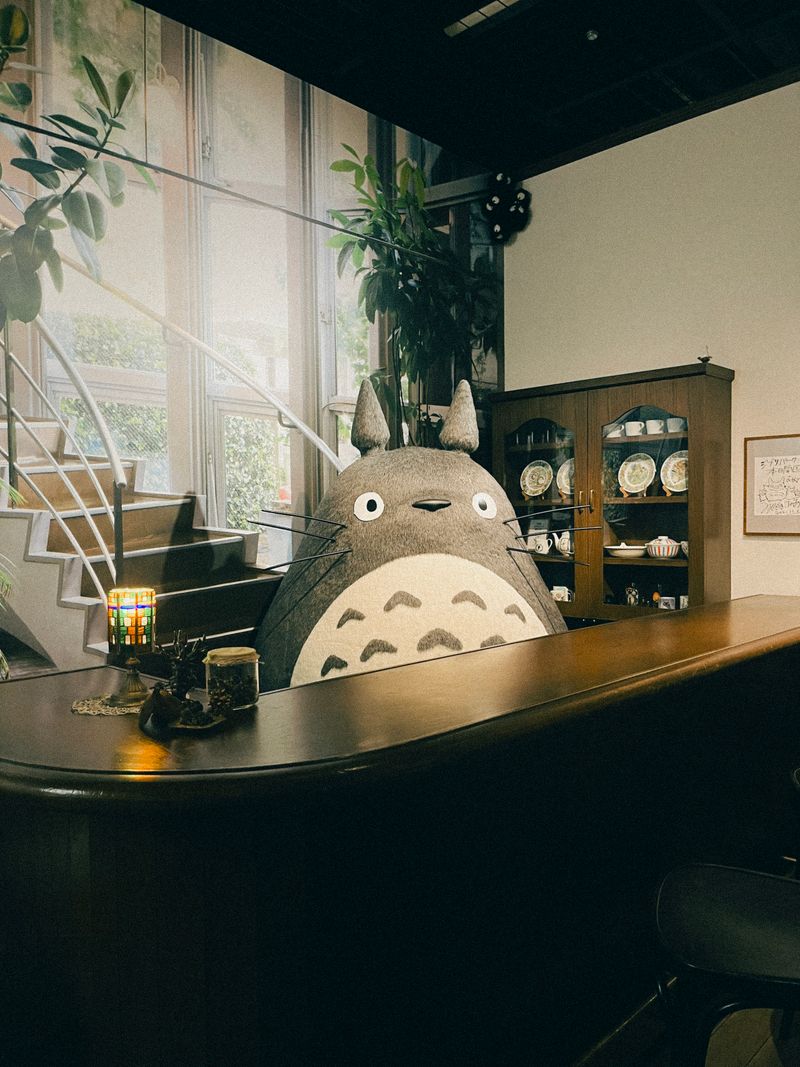
Ghibli Museum
The Ghibli Museum in Mitaka was designed by Hayao Miyazaki to feel like walking into one of his films — the building has no straight lines and the exhibits include original animation cells and exclusive short films shown only here. Tickets cost $12 and sell out exactly 2 months in advance. There is no same-day entry.
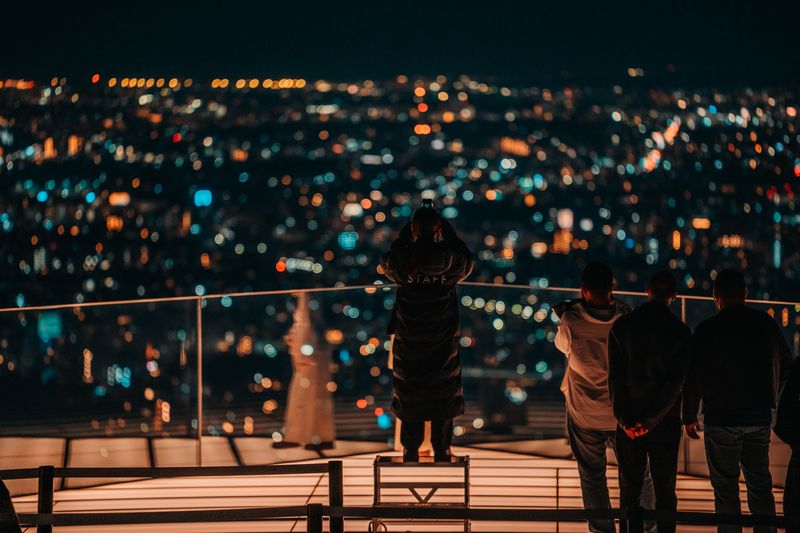
Shibuya Sky
Shibuya Sky is an open-air observation deck on the 46th floor of Shibuya Scramble Square at 229 meters, offering 360-degree views including a direct sightline down to Shibuya Crossing below. Entry costs $15. The rooftop is fully open-air with a central platform called the Sky Edge.
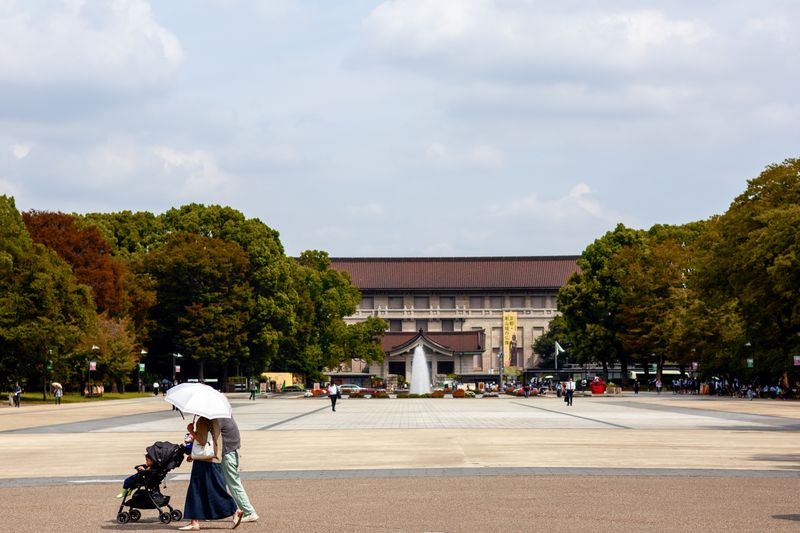
Tokyo National Museum
Japan's oldest museum holds over 110,000 objects spanning Japanese history, from 10,000-year-old Jomon pottery to Edo-period samurai armor and 12th-century swords. The main Japanese Gallery building dates to 1938. Entry costs $5 and the museum closes on Mondays.
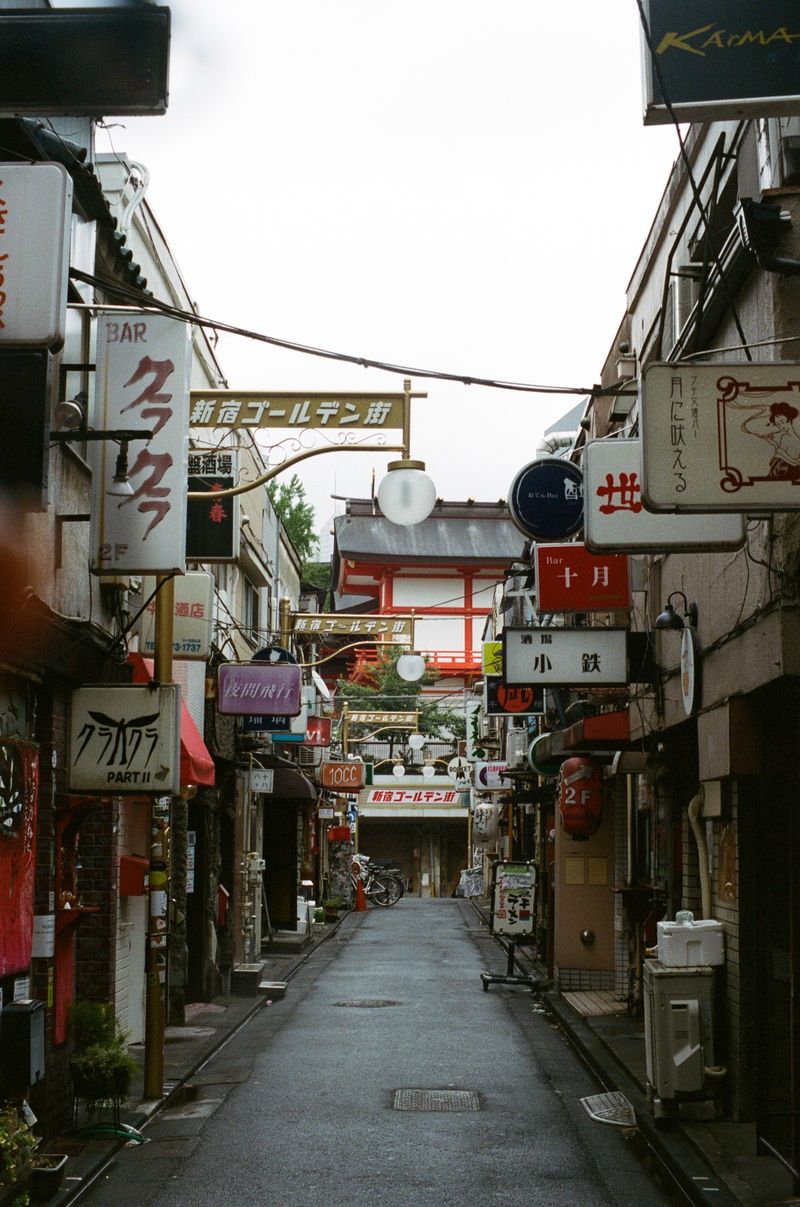
Golden Gai
Golden Gai is a network of six narrow alleyways in Shinjuku containing over 200 bars, each seating between 5 and 10 people. The bars have been here since the 1940s and each has its own theme — film, jazz, horror, manga. Most charge a cover of 500-1000 yen ($3-7) on top of drinks.
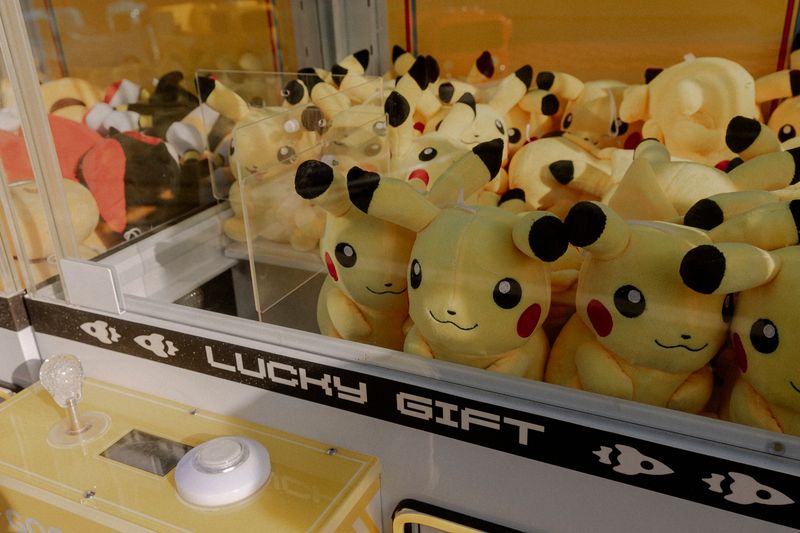
Pokemon Center Mega Tokyo
The world's largest Pokemon Center is inside Sunshine City mall in Ikebukuro, opened in 2014 with life-size Pokemon statues, exclusive merchandise, and interactive gaming displays. Entry is free. The store stocks items unavailable outside Japan, including region-exclusive plush toys and trading cards.
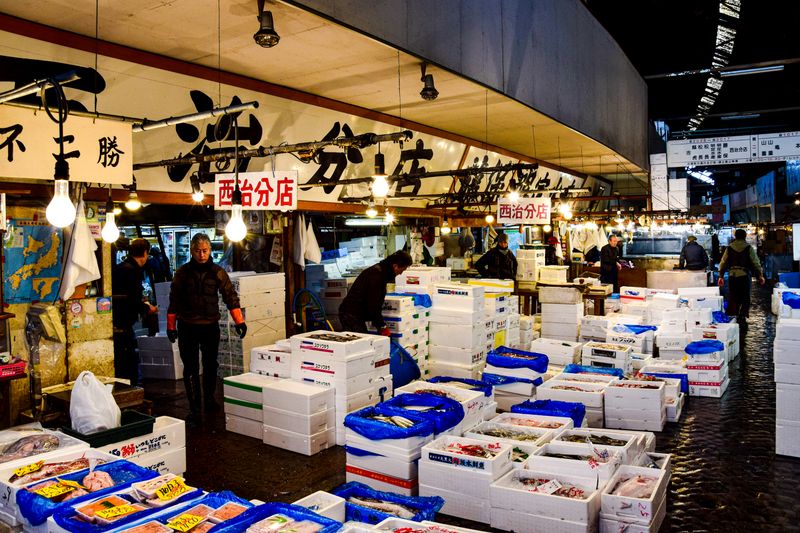
Tsukiji Outer Market
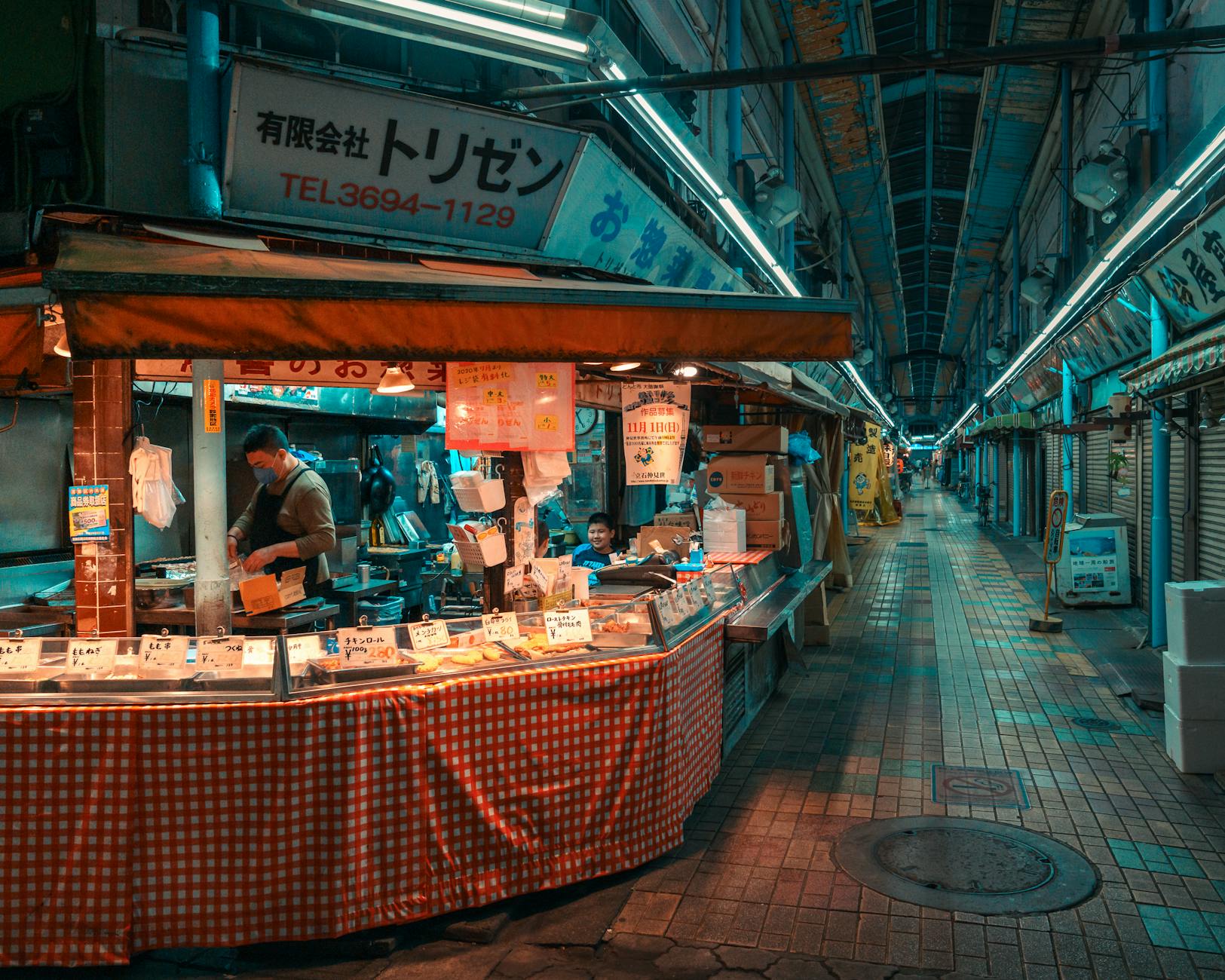
Tsukiji Outer Market is the public retail section of Japan's most famous fish market district, with over 400 stalls and small restaurants selling fresh seafood, tamago, nori, dried fish, and kitchen knives. The inner wholesale market moved to Toyosu in 2018 but the outer market remains open and is one of the best places in Tokyo to eat a breakfast of fresh sushi or grilled scallops for under $15.
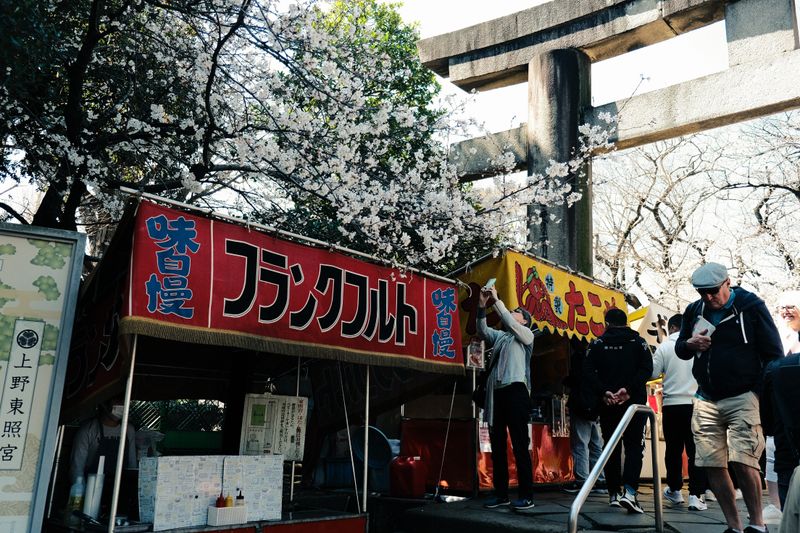
Ueno Park
Ueno Park is Tokyo's oldest public park, covering 53 hectares and containing five major museums including the Tokyo National Museum, two art museums, Ueno Zoo, Shinobazu Pond, and over 800 cherry trees. During hanami season in late March and early April it hosts the largest public cherry blossom viewing area in the city. Entry to the park is free.
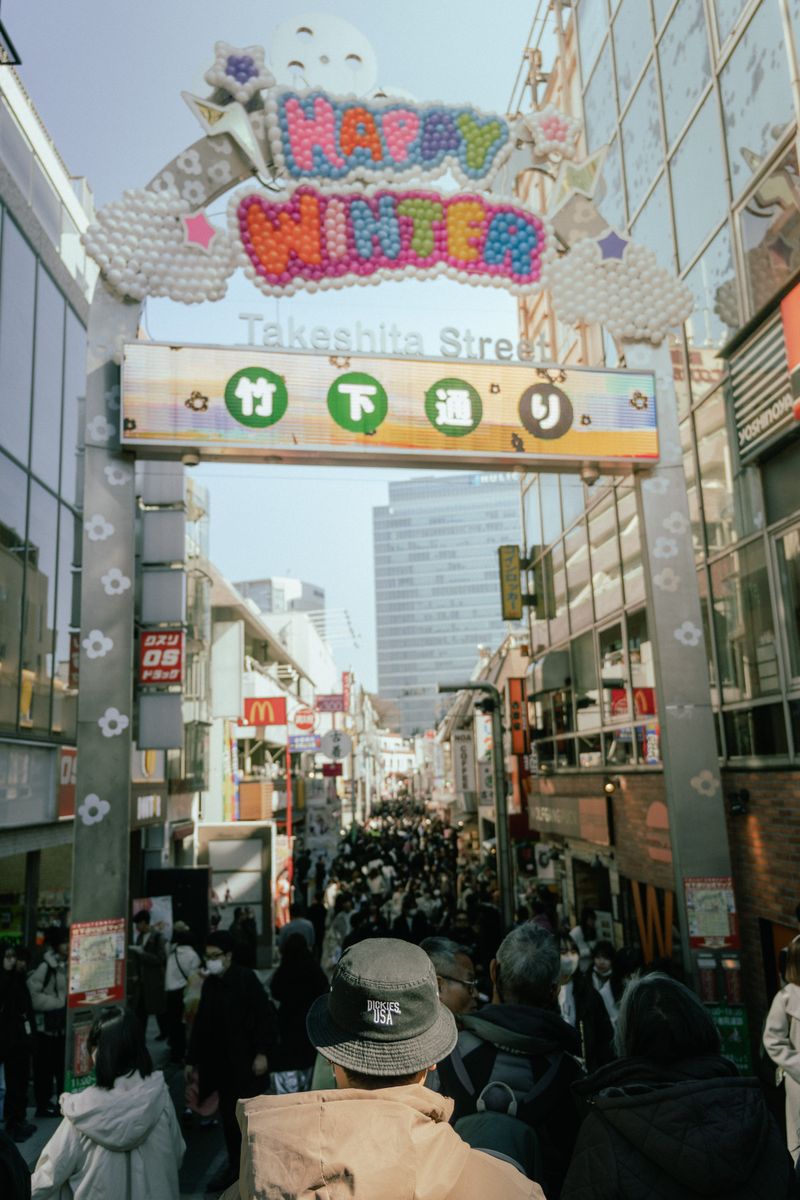
Harajuku and Takeshita Street
Takeshita Street in Harajuku is a 350-meter pedestrian shopping street famous for Gothic Lolita and Decora fashion, crepe shops, and youth subculture that has influenced global fashion since the 1980s. The street packs an estimated 100,000 visitors on peak weekends. Nearby Omotesando runs parallel with flagship stores from Louis Vuitton, Prada, and Tadao Ando's commissioned retail buildings.
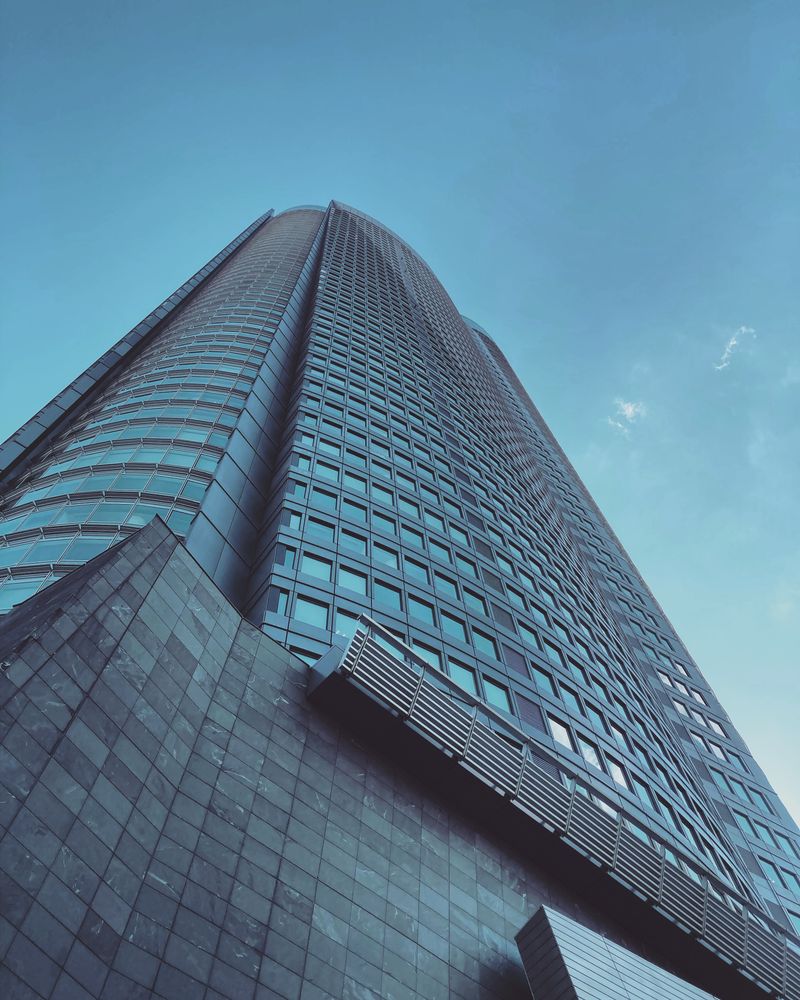
Roppongi Hills
Roppongi Hills is a 11.6-hectare urban development in Minato ward containing the 54-floor Mori Tower, the Mori Art Museum on the 53rd floor, the Tokyo City View observation deck, over 200 restaurants and shops, and a rooftop garden. The Mori Art Museum rotates major contemporary exhibitions and is open until 10pm most nights, making it one of the few serious museums in Tokyo accessible after work.
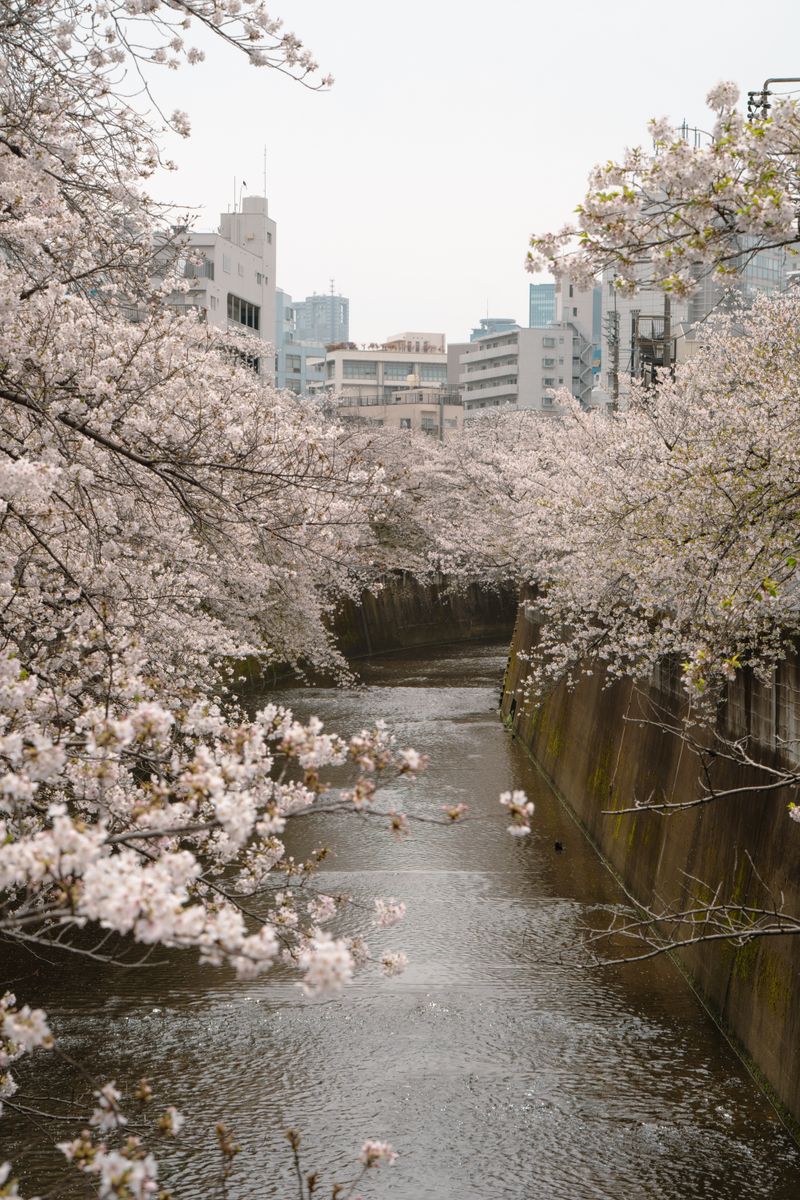
Nakameguro Canal
The Meguro River canal runs for 3.8 kilometers through Nakameguro, lined with over 800 cherry trees that arch over the water when in bloom. During hanami season in late March, the canal hosts one of Tokyo's most photographed views: pink petals reflected in the river with lanterns lit from dusk. Year-round, the canal-side streets are lined with independent cafes, vintage clothing stores, and restaurants.
Tokyo is worth 7 days minimum. Budget $120 per day for a comfortable trip that covers a mid-range hotel, three meals, transit, and one paid attraction daily. November is the best month — 17mm of rain, autumn foliage, and no peak-season hotel prices. Book the Ghibli Museum exactly 2 months ahead or you won't get in.
Tokyo has 195 Michelin-starred restaurants, a metro system covering 285 stations, and a violent crime rate low enough that you can leave your bag on a cafe chair. Budget $120 per day mid-range. November is the best month: 17mm of rain, autumn foliage, and mid-range hotel prices.Tokyo weather month by month
12 months of temperature, crowd level, and honest verdicts on when to go.
Is Tokyo safe?
Yes — Tokyo consistently ranks among the world's safest major cities. Japan's violent crime rate is among the lowest globally. The main risks are practical: missing the last train (runs until around midnight), getting disoriented in large stations, or being overcharged at tourist-facing bars in Roppongi and Kabukicho.
- Last trains run around midnight — check your line's final departure before going out. Taxis are expensive (¥3,000-8,000 cross-city). The JR and Tokyo Metro apps show real-time schedules in English.
- Carry cash — many small restaurants, shrines, and traditional shops in Asakusa and Yanaka are cash-only. 7-Eleven ATMs accept foreign cards 24/7. Keep ¥5,000-10,000 in your wallet at all times.
- Roppongi and Kabukicho touts sometimes lead tourists to bars with inflated cover charges or bills. If a stranger enthusiastically invites you to follow them, decline and walk away. The best bars in both areas have menus posted outside.
- Emergency: ambulance 119, police 110, Japan Visitor Hotline 050-3816-2787 (24hr English). St. Luke's International Hospital in Tsukiji and Tokyo Medical and Surgical Clinic in Minato have English-speaking staff. Pharmacies (薬局) in tourist areas carry English-labeled OTC medication.
3 days in Tokyo — don't waste your first trip
A proven sequence: start with the landmarks that anchor your mental map, then go deeper.
Asakusa, Ueno, and Akihabara
Senso-ji Temple, Asakusa
The main hall opens at 6am. Walk Nakamise-dori before the stalls open and you have the full approach to yourself.
Nakamise Street breakfast
The traditional snack stalls open around 8am. Ningyo-yaki (small cakes filled with red bean paste) cost about $1 each.
Tokyo National Museum, Ueno
Start in the Honkan (Japanese Gallery) building for the chronological overview — it takes 90 minutes and covers everything from Jomon pottery to Edo-period swords. Entry is $5.
Ueno Park lunch
The food stalls along the park path sell yakitori and onigiri from $3-7. Eat outside — the park has benches along the central path.
Akihabara Electric Town
Take the JR Yamanote Line one stop south from Ueno to Akihabara. Spend the afternoon on the side streets off Chuo-dori for better prices on retro games and figures.
Omoide Yokocho, Shinjuku
Take the JR Yamanote Line to Shinjuku. The yakitori alley under the tracks is 5 minutes from the west exit. Budget $25 per person for skewers and beer.
Shibuya, Harajuku, and Meiji Shrine
Meiji Shrine, Harajuku
Enter through the north gate from Yoyogi Park for the quieter approach. The inner garden has a teahouse serving matcha for $5 — most visitors miss it.
Takeshita Street, Harajuku
The street is 400 meters long and manageable before noon. Marion Crepes at the Harajuku end is the original stand — skip the queues at the middle stalls.
Nonbei Yokocho, Shibuya
Walk 10 minutes south from Harajuku Station to Shibuya. Nonbei Yokocho is one block from the crossing — ramen sets run $12 and the lane is half as crowded as Golden Gai.
Shibuya Crossing
The crossing is free and 1 minute from Shibuya Station. Get a second-floor Starbucks window seat 20 minutes before the 5pm rush hour for the best view.
Shibuya Sky observation deck
Buy your $15 ticket at the Shibuya Scramble Square entrance. The sunset window (around 5:30-6pm depending on season) gives you both the daylight city and the lit-up night view in one visit.
Golden Gai, Shinjuku
Take the JR Yamanote Line to Shinjuku. Look for bars with English menus posted outside. Cover charges run $3-7 per bar on top of drinks — budget $30-40 for a 3-bar evening.
Ginza, Imperial Palace, and TeamLab
Imperial Palace East Gardens, Chiyoda
Free entry, opens at 9am. Walk past the main entrance plaza to the Ninomaru Garden — it's almost always empty and has the best views of the stone walls.
Ginza-dori, Ginza
Walk 10 minutes east from the palace to Ginza. The Ginza Six department store has a free rooftop garden on the 6th floor with views over the district.
Sushi Alley lunch, Ginza
The Michelin-starred sushi counters on Sushi Alley do lunch sets from $30 with no reservation required — the same counter charges $100+ at dinner.
Hamarikyu Gardens, Minato
Take the Toei Oedo Line to Shiodome. Entry is $3. The Nakajima-no-Ochaya teahouse on the central island serves matcha and wagashi — check the tide schedule before visiting.
TeamLab Borderless, Minato
Book the evening slot in advance at $38 — the installations glow brighter after dark and the crowd is thinner than the afternoon sessions. Take the Yurikamome Line to Aomi Station.
Tokyo Tower, Minato
Walk 20 minutes from TeamLab or take a taxi ($8-10). The tower is lit orange at night and the observation deck at $20 is quieter than Skytree at this hour.
Best Tokyo tours
Ranked by value, not commission. Every tour here has 4.5+ stars and 500+ reviews.
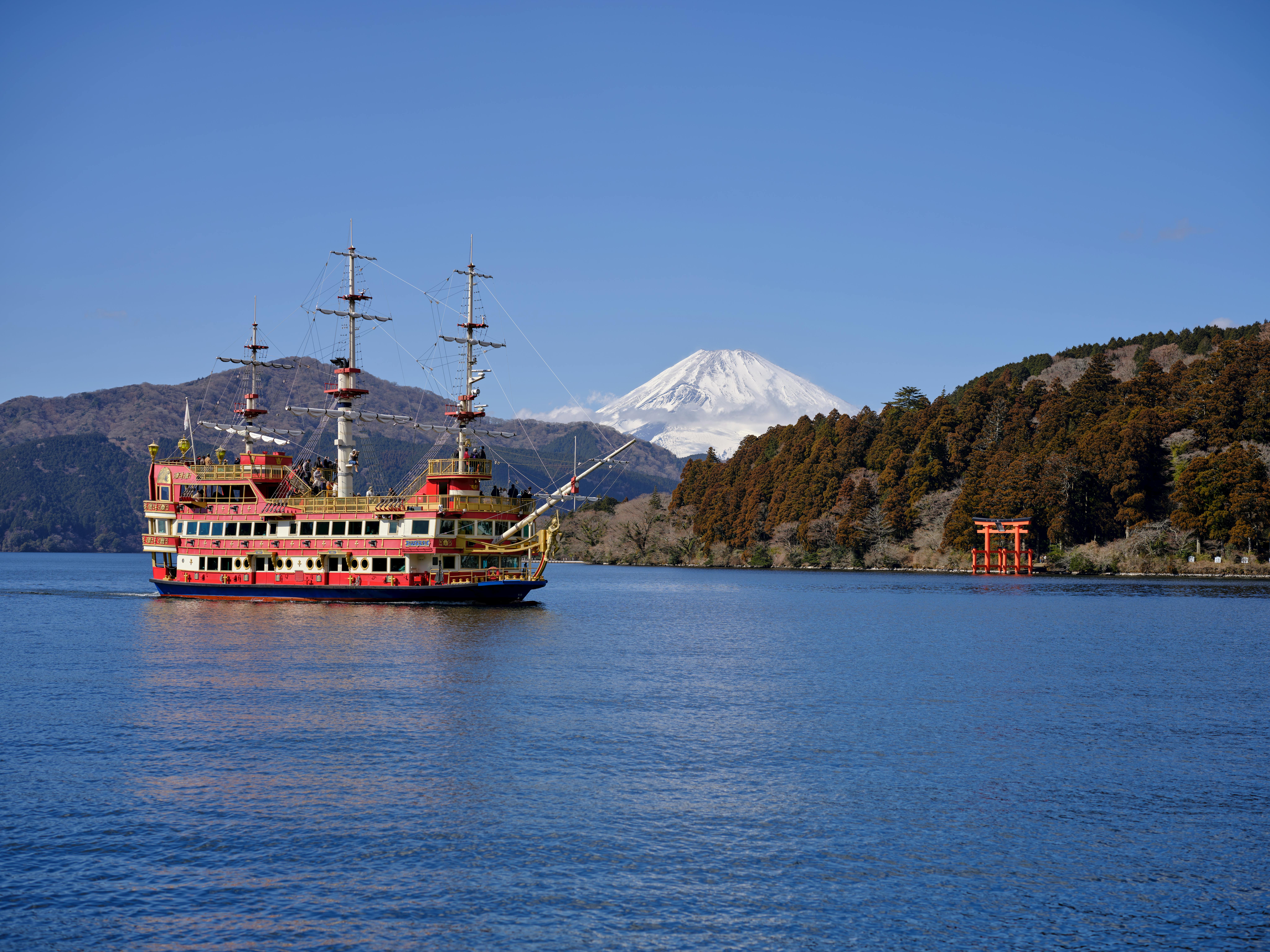
Mt. Fuji Tour, Hakone Ropeway, Owakudani, Lake Ashi
teamLab Planets TOKYO Digital Art Museum Entry Ticket
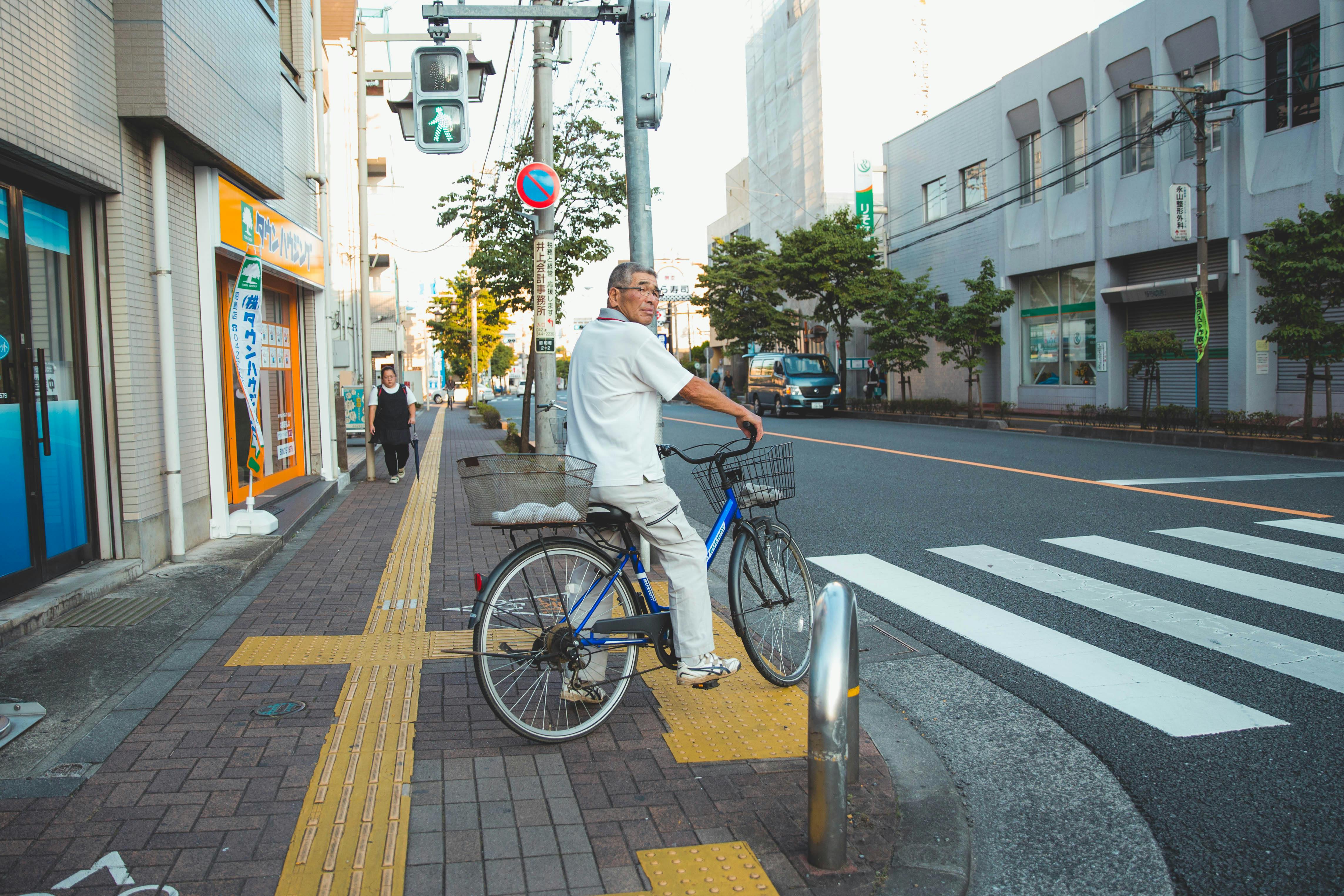
Tokyo Guided Small-Group Biking Tour
Mt Fuji and Hakone 1-Day Bus Tour Return by Bullet Train
Tokyo at a glance
Key attractions, neighborhoods, and restaurant clusters — all in one view.
Tokyo day trips
Browse all Tokyo day trips →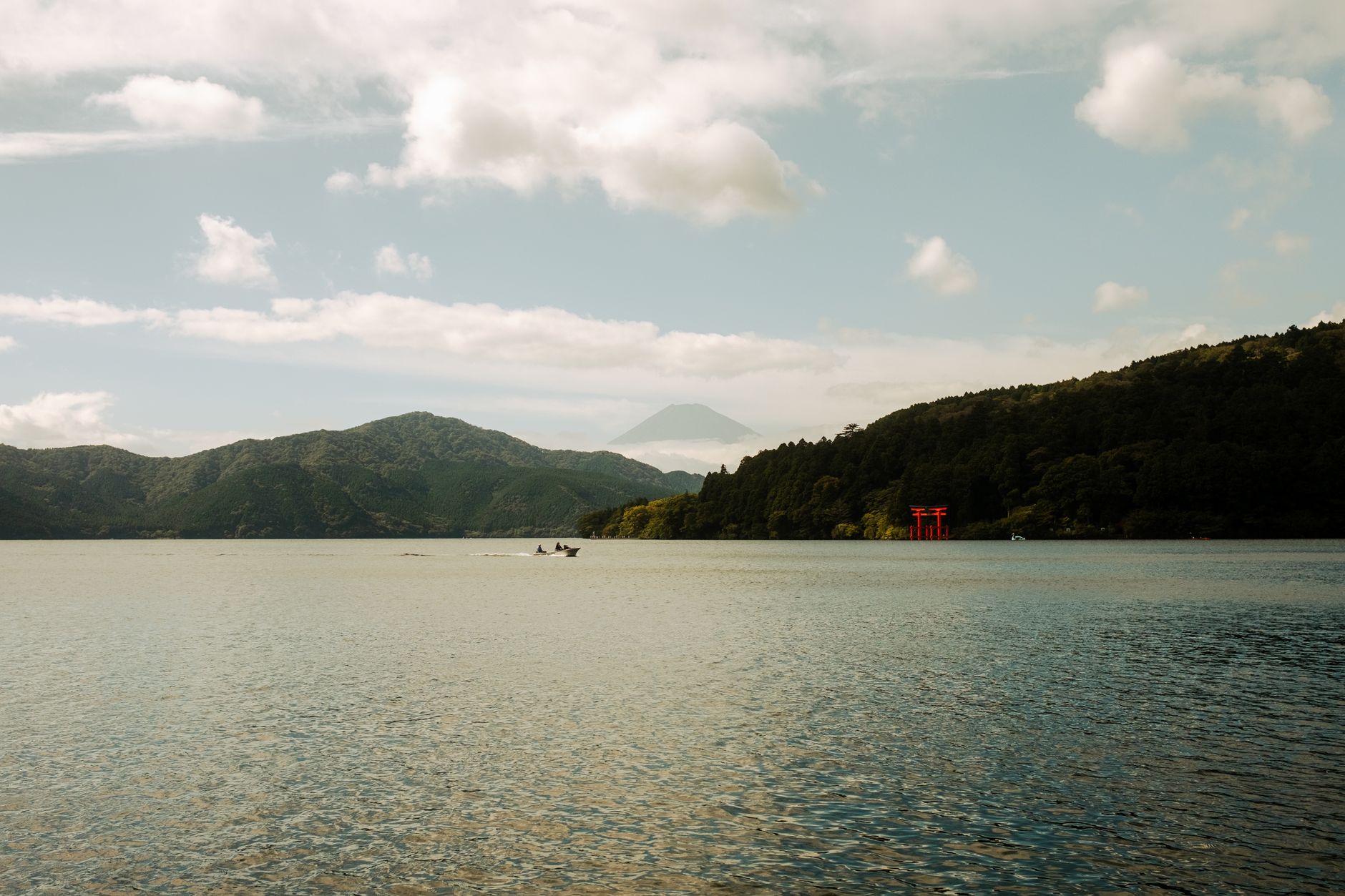
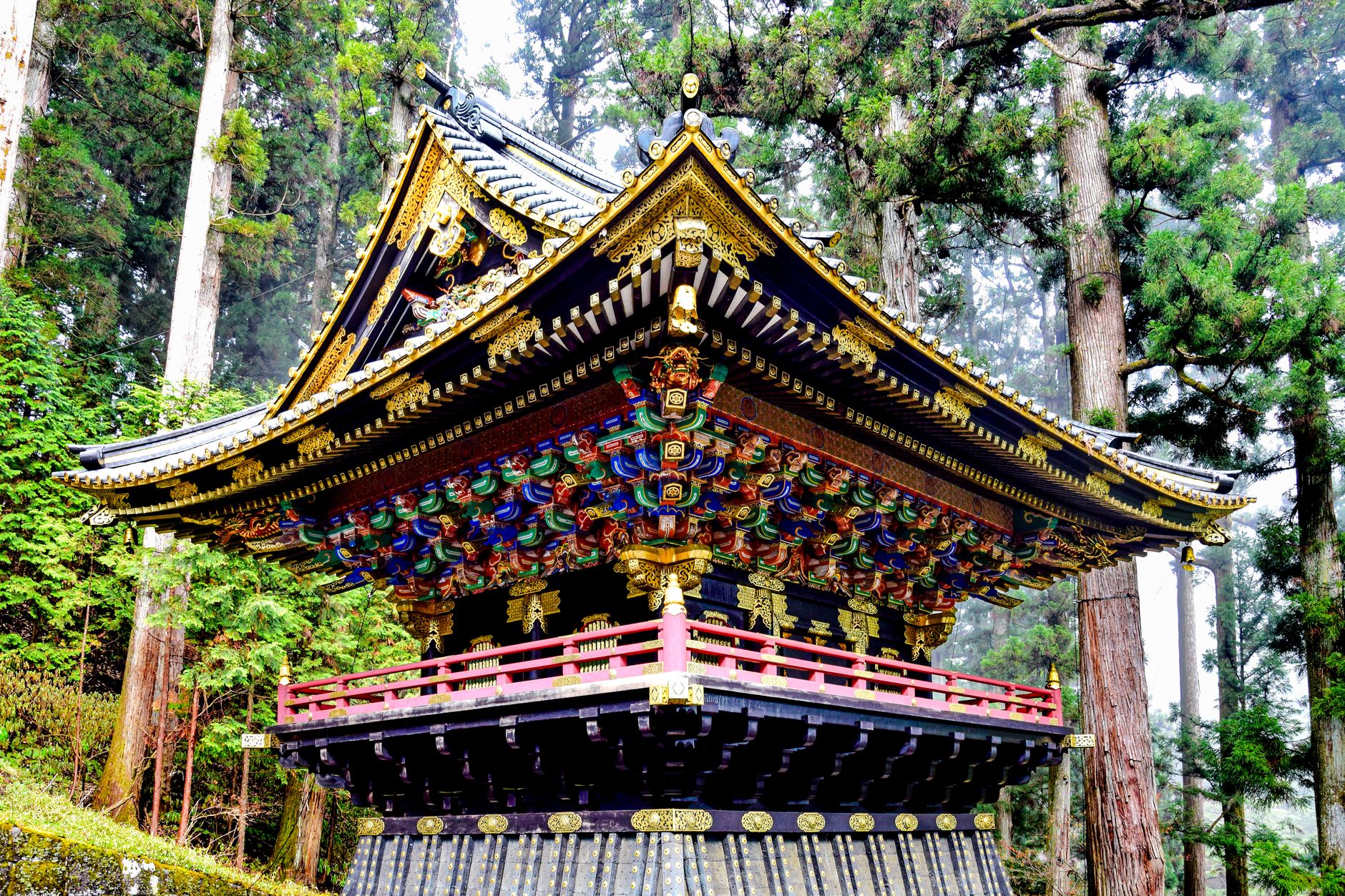
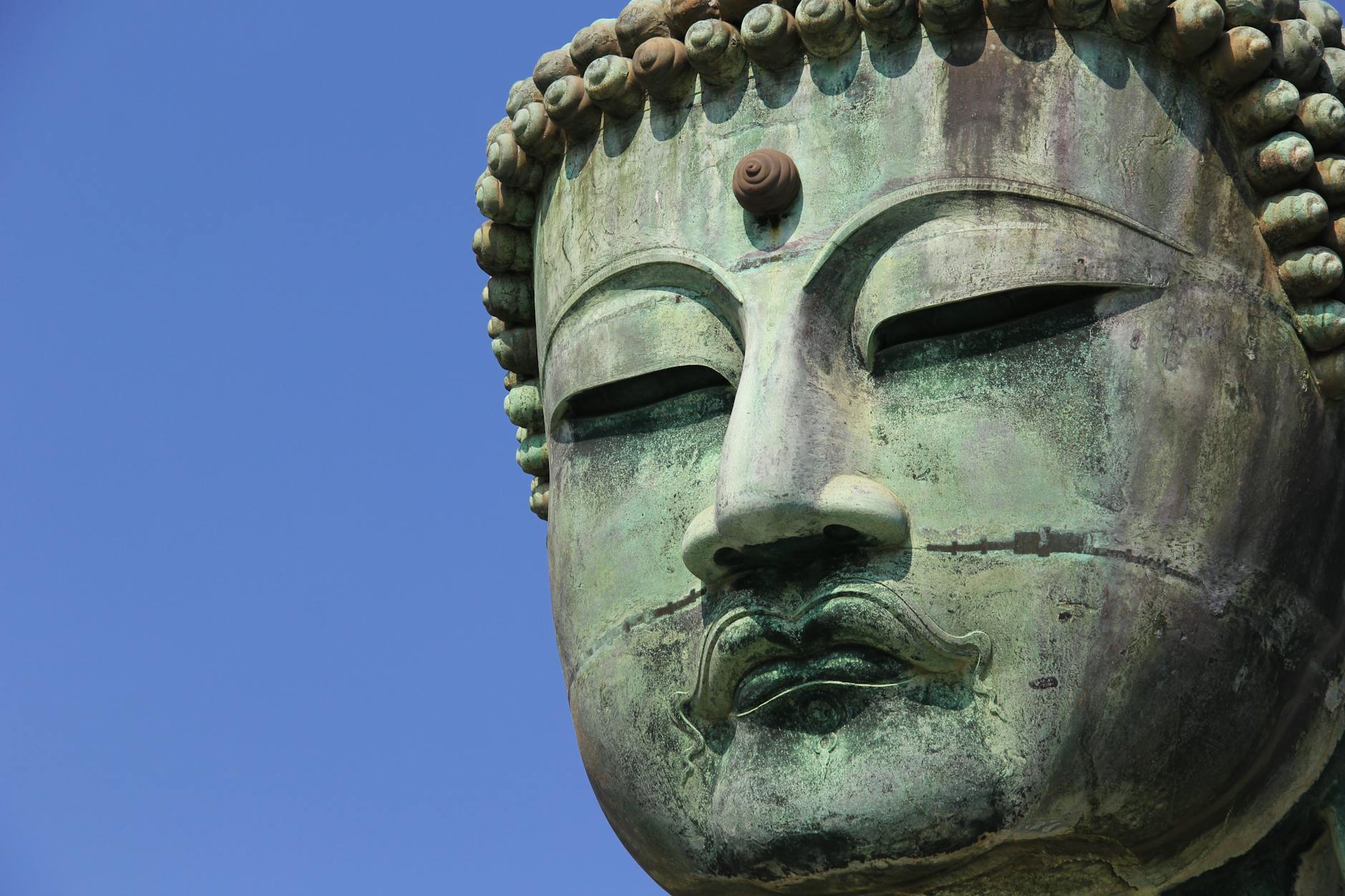
Tokyo is the entry point — Japan has more to offer beyond the capital.
Best hotels in Tokyo
Four picks across budget, romance, character, and location. All rated 8.5+ on Booking.com.
Mid-range hotels in Tokyo average ¥22000/night for a double room. Budget options from ¥8000/night.
Hotel Gracery Shinjuku
Shinjuku · Mid-range city hotel
- First-timers who want Shinjuku immersion at a moderate price Best for
- Godzilla head on the terrace · above Toho Cinema · 5 min walk to Kabukicho
Park Hyatt Tokyo
Shinjuku · Luxury skyscraper hotel
- Luxury travelers wanting the iconic skyline view from Lost in Translation Best for
- 41st-52nd floors · New York Bar panoramic views · indoor pool at 47th floor
The Tokyo Edition Toranomon
Toranomon · Design lifestyle hotel
- Design-forward travelers who want a quieter upscale alternative to Shinjuku Best for
- Ian Schrager design · rooftop bar · 2 min walk to Toranomon Hills
Keio Plaza Hotel
Shinjuku · Large business hotel
- Business travelers and families needing reliable Western-friendly service Best for
- Multilingual staff · 15 restaurants onsite · 3 min walk to Shinjuku Station
Trip budget calculator
Estimate your total cost. Adjust travelers, style, and nights.
✈️ Airline tickets not included in this estimate.
Where to stay in Tokyo: neighborhood guide
Each neighborhood has a different vibe, price point, and distance from the center.
Shinjuku
Neon canyon with 300 restaurants/sqkm, the world's busiest station, and Kabukicho nightlife next door.
Shibuya
Home of the world's busiest crossing — 2,500 people per light cycle — and 280 restaurants within walking distance.
Ginza
Tokyo's most expensive zip code — 50 Michelin restaurants and the highest safety score in the city.
Asakusa
Old Tokyo energy: budget hotels from ¥6,500/night, Senso-ji Temple 2 minutes away, goes quiet by 10pm.
Roppongi
Tokyo's art-and-nightlife district: Mori Art Museum, 20 Michelin restaurants, and the city's lowest safety score.
Ueno
Museum and park district — 5 major institutions, 800 cherry trees, budget hotels from ¥7,000/night.
Akihabara
Electric Town: 400 anime, gaming, and electronics shops packed into a few walkable blocks.
Harajuku
Takeshita Street's youth fashion scene on one side, Meiji Shrine's 70-hectare forest on the other.
Where to eat in Tokyo (and what to skip)
Ranked by quality and value. Michelin stars noted where relevant.
Omoide Yokocho
Tsukishima Monja Street
Sushi Alley, Ginza
Nonbei Yokocho
Nakamise Street, Asakusa
Yodobashi Akiba Food Court
Tokyo Midtown Dining
Takeshita Street Crepes
Tokyo money mistakes — and how to avoid them
The situations where visitors consistently overpay, and what to do instead.
1. Tip
Get a Suica card at any JR East Travel Service Center at Narita or Haneda Airport — it works on every train, subway, and bus in Tokyo and at most convenience stores. A single metro fare costs $1.50-2.
2. Tip
Tipping is not practiced in Japan. Do not tip at restaurants, taxis, or hotels — it can cause confusion and is sometimes considered rude.
3. Tip
Asakusa is a cash-heavy neighborhood. Many traditional shops and temple stalls only accept yen. Withdraw cash at 7-Eleven ATMs, which accept foreign cards reliably.
4. Tip
Lunch sets at Michelin-starred restaurants in Ginza cost $25-40 — the same counter charges $100-200 at dinner. Book the lunch slot for the same kitchen at a third of the price.
5. Tip
The Tokyo Metro 24-hour pass costs $6 and covers unlimited rides on all Tokyo Metro lines. If you're doing more than 3 rides in a day, it pays for itself.
6. Tip
Airport transfer from Haneda costs $5 by train (15 minutes on the Tokyo Monorail) versus $50 by taxi. From Narita, the Narita Express to Shinjuku costs $12 and takes 90 minutes.
7. Tip
Convenience stores (7-Eleven, FamilyMart, Lawson) sell hot meals, fresh sushi, and onigiri for $2-5. The quality is genuinely good — a convenience store breakfast costs $4 and takes 3 minutes.