
6 things to sort before you fly
Essentials for JapanJapan has 195 Michelin-starred restaurants, a national rail network where 99.9% of trains arrive within 1 minute of schedule, and 14 UNESCO World Heritage sites. The average daily cost runs ¥8,000–¥15,000 ($50–$100 USD) depending on accommodation tier.
FinderTrip Japan Research — April 2026Regions of Japan
Japan's 47 prefectures cluster into 5 main geographic regions. Each has a distinct personality — Hokkaido for winter and seafood, Okinawa for beaches, Honshu for everything else.
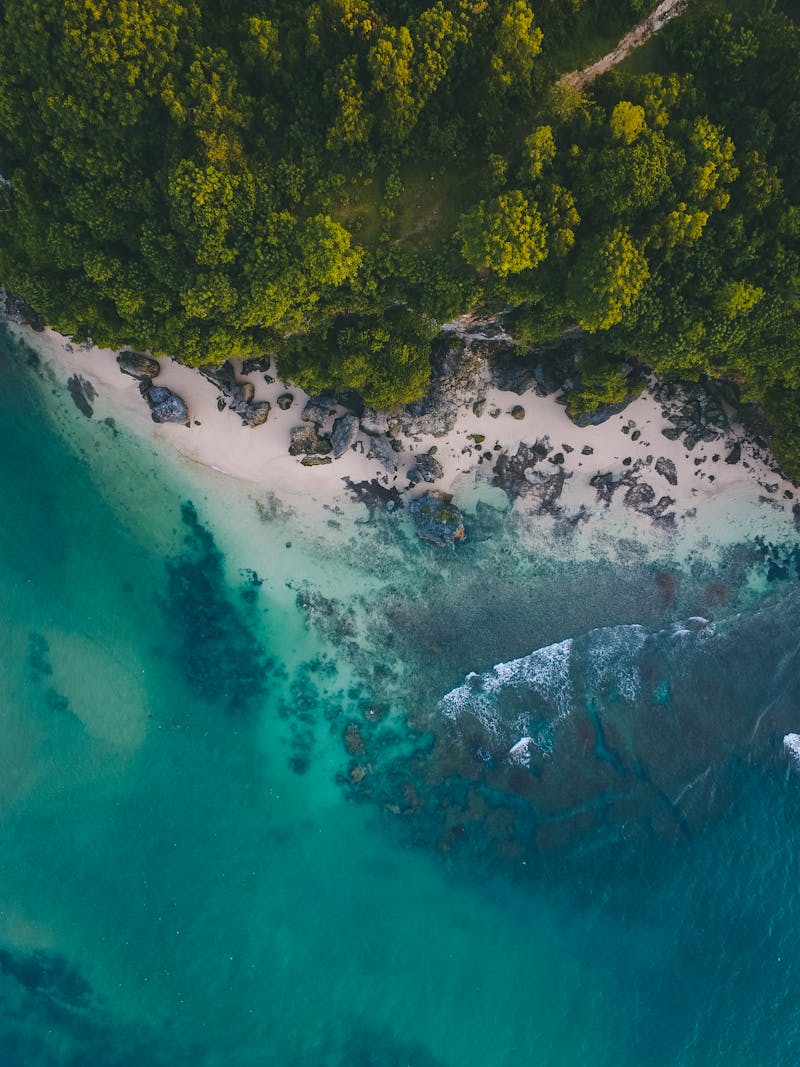
Honshu
Hokkaido
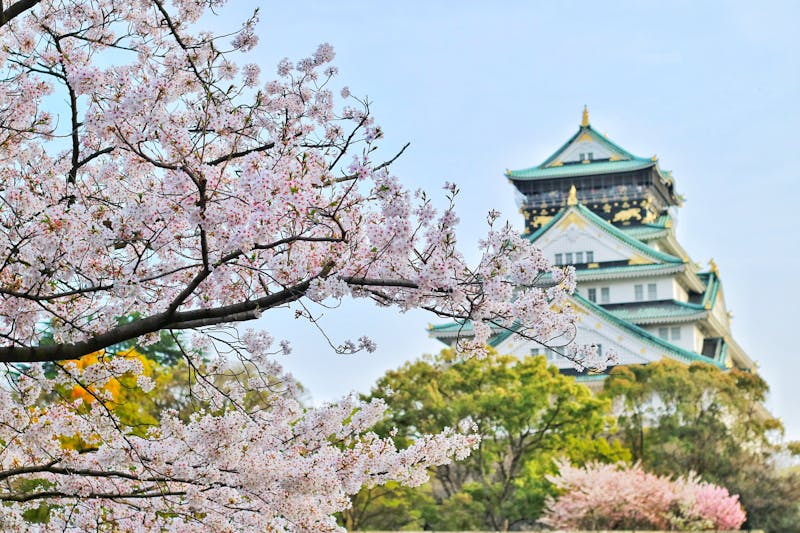
Kyushu
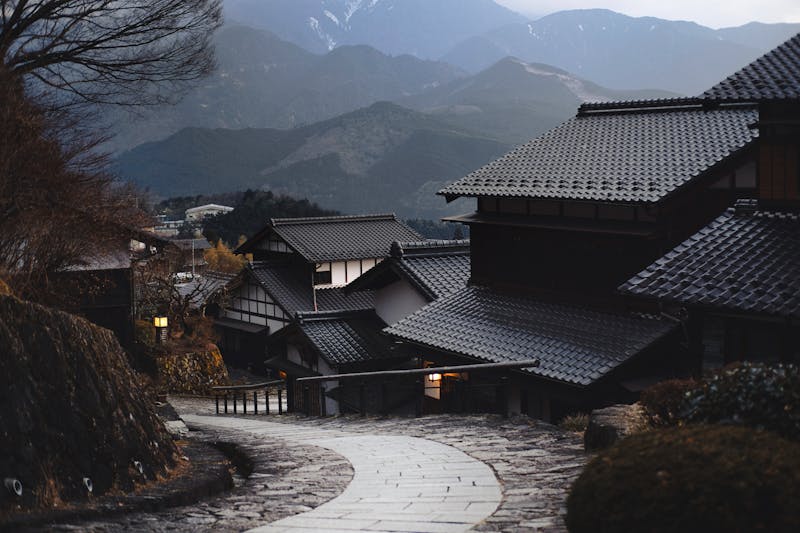
Shikoku
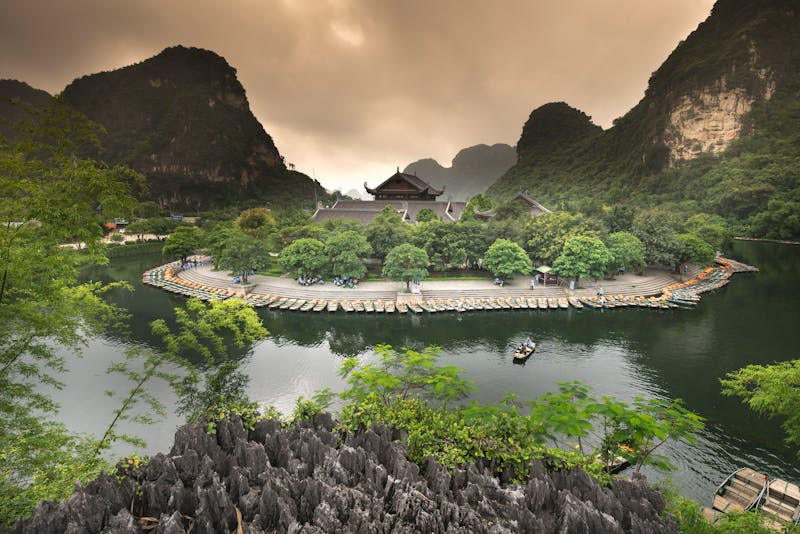
Okinawa
Is Japan right for your trip?
Suica card is your best friend. Top it up at any JR station and use it on every subway, bus, and convenience store across Japan. It also works as a contactless payment at vending machines.
Who is Japan Actually For?
Honest answer: almost everyone, but for genuinely different reasons.
Best cities in Japan
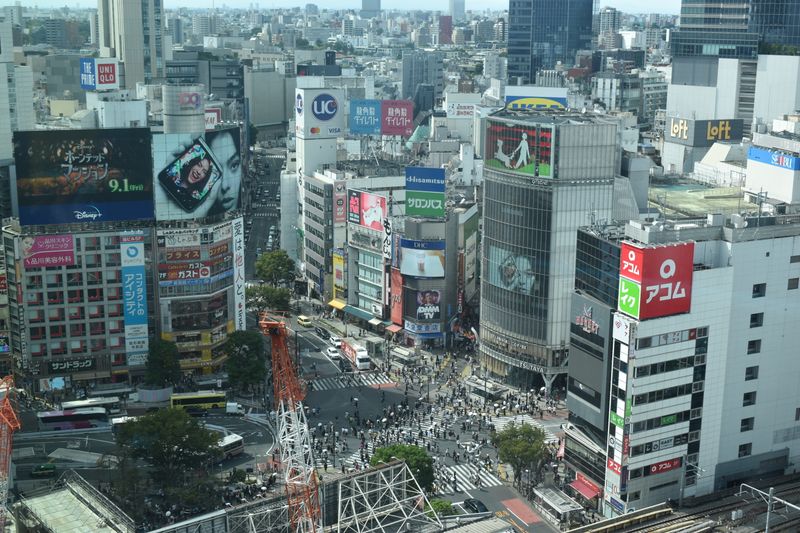
Tokyo
38 million people, 195 Michelin stars, and the world's most reliable transit network. Start here.
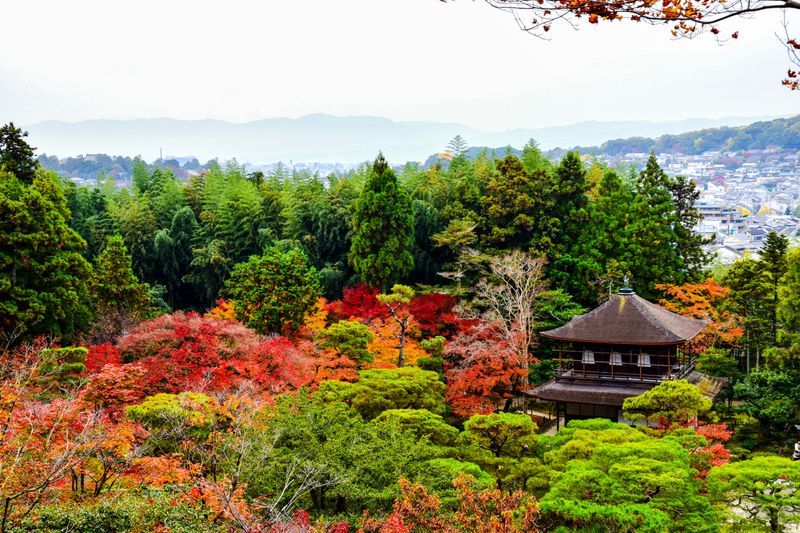
Kyoto
1,600 Buddhist temples, 400 Shinto shrines, and geisha still walking to work in Gion at dusk.
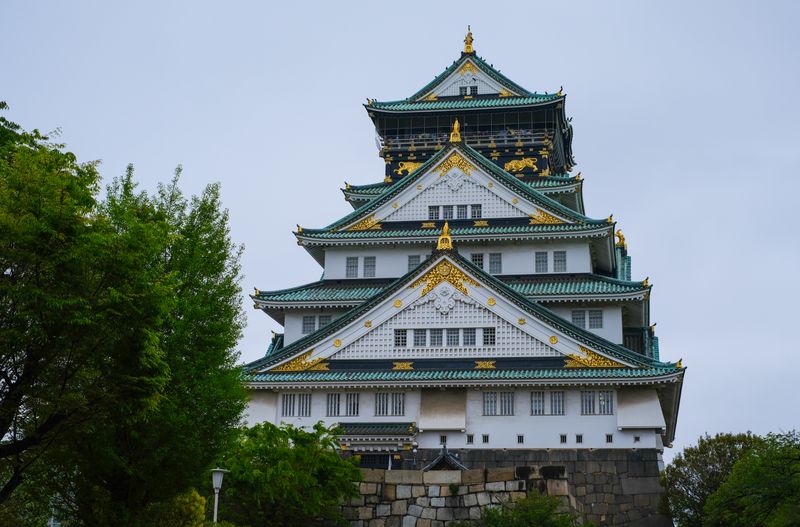
Osaka
Japan's kitchen. Takoyaki, okonomiyaki, and the saying 'kuidaore' — eat until you drop.
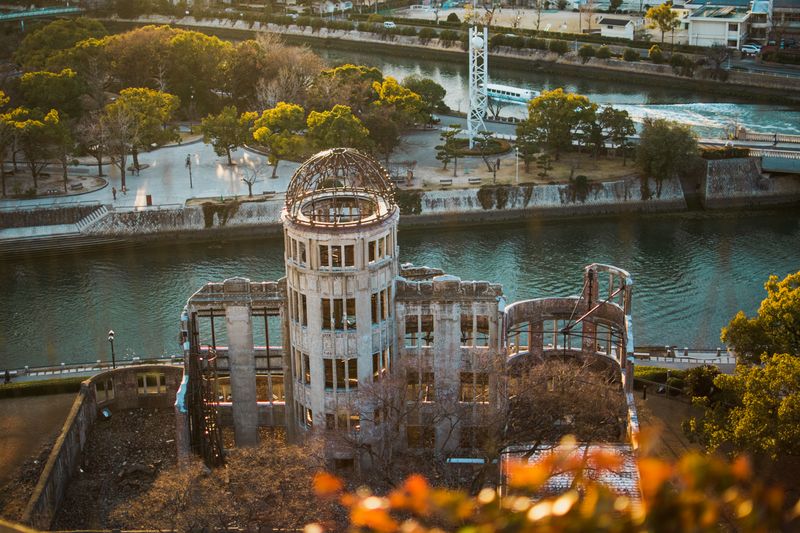
Hiroshima
A city rebuilt with intention. The Peace Memorial Park is one of the most moving places on earth.
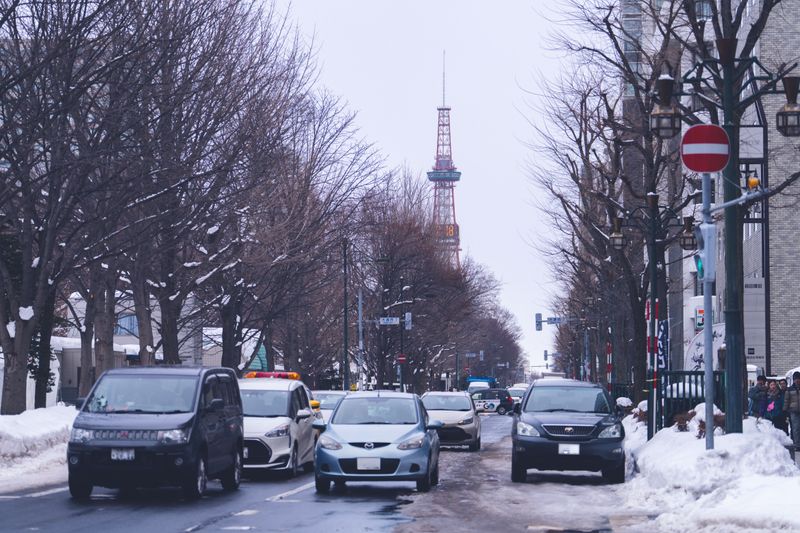
Sapporo
Japan's north. World-class powder skiing November-April, and the best ramen you will ever eat.
Best tours and experiences in Japan
The most booked Japan experiences from verified providers. All prices in USD.
Tokyo Day Tour: Senso-ji, Shibuya & Shinjuku
Mt Fuji and Hakone Day Trip from Tokyo
Kyoto Full-Day Temple and Geisha District Tour
Hiroshima and Miyajima Island Day Trip from Osaka
Visa for Japan — The Rules, Simply Explained
Japan operates a bilateral visa exemption system. Citizens of 68 nationalities can enter visa-free for 90 days. All others require a tourist visa applied for at a Japanese embassy — processing takes 5–10 working days and costs approximately ¥3,000.
Who needs what for Japan
Visa-free — 90 days
Citizens of 68 nationalities enter without a visa. Passport must be valid for the duration of stay. No registration required.
Visa required
Apply at a Japanese embassy before travel. Tourist visa costs approx. ¥3,000 and takes 5-10 working days. Verify current rules at mofa.go.jp.
Online application
India and select Southeast Asian nationalities may apply for a 15-day eVisa online. Check eligibility at mofa.go.jp before booking flights.
If you're visiting multiple cities, calculate whether a 7-day JR Pass (¥50,000) saves money over individual Shinkansen tickets. Tokyo-Kyoto-Osaka-Hiroshima return alone costs ~¥46,000.
Getting around Japan
Japan's rail network is the most reliable in the world — 99.9% of trains arrive within 1 minute of schedule. Plan your travel around trains and you'll never need a taxi.
Shinkansen (Bullet Train)
Tokyo Metro and City Subways
Domestic Flights
- IDP Required — International Driving Permit required for most foreign licences — obtain before departure from your home country's motoring authority.
- Speed Limits — 30-60 km/h in cities, 80 km/h on national roads, 100-120 km/h on expressways. Urban limits are strictly enforced.
- Zero Tolerance DUI — Blood alcohol limit is 0.3 mg/ml — effectively zero tolerance in practice, and limits apply to passengers as well as drivers.
- Expressway Tolls — Tolls are expensive — Tokyo to Osaka by expressway costs approximately ¥8,000 in tolls alone. Budget accordingly for long drives.
- ETC Transponder — ETC transponder cards for electronic toll lanes are available at car rental agencies and are recommended for any expressway driving.
- Narrow rural roads: many mountain and coastal roads in Hokkaido, Kyushu, and rural Honshu are single-lane with passing bays — urban driving skills do not transfer directly.
- Typhoon season June-October: road closures common in mountainous areas, check forecasts before mountain drives.
- Deer and wildlife crossing on Hokkaido expressways — especially at dawn and dusk.
Holders of licences from Switzerland, Germany, France, Belgium, Monaco, Estonia, Taiwan, and several others may drive on their home licence without an IDP. All others require an IDP. Verify at japandriver.com.
Getting Between Japan Cities
Japan's Shinkansen network is the fastest, most punctual rail system on earth. On most routes it beats flying when you add airport time.
When to Visit Japan — Month by Month
Japan has four distinct seasons and the timing of your visit matters more than almost any other destination. Cherry blossom and autumn foliage both last 2–3 weeks and both fill hotels 6 months ahead.
How much does Japan cost?
Japan is one of the world's safest tourist destinations
Japan's violent crime rate is among the lowest globally. Pickpocketing is rare but does occur in Shibuya and Shinjuku at night. The main risks are practical: getting lost in transit, missing the last train, or misunderstanding etiquette at a ryokan.
- Japan averages 1,500+ noticeable earthquakes annually. Major hotels and trains have automatic shutdown systems. Download the NHK World or Japan Meteorological Agency app for English alerts. If shaking starts, get under a desk, away from windows — do not run outside.
- Typhoon season runs June-October. Heavy rain and wind cancel trains and flights with little warning. Check Japan Meteorological Agency forecasts before any mountain or coastal travel. Okinawa and Kyushu resort areas post English evacuation info on hotel notice boards.
- Cash is essential outside major cities. Most rural ryokan, shrines, and small restaurants are cash-only. ATMs at 7-Eleven and Japan Post accept foreign cards 24/7. Carry ¥30,000-50,000 when leaving Tokyo or Kyoto.
- Pickpocketing concentrates in Shibuya, Shinjuku, and Roppongi nightlife after midnight. Touts outside bars in Kabukicho and Roppongi sometimes lead tourists to venues with inflated bills. If approached aggressively, walk away without engaging and call 110.
- Emergency: ambulance 119, police 110, Japan Visitor Hotline 050-3816-2787 (24hr English). English-speaking hospitals in Tokyo include St. Luke's International Hospital and Tokyo Medical and Surgical Clinic. Japanese hospitals require upfront payment from uninsured foreigners — travel insurance is essential.
Save this page for later
Get this exact page as a clean PDF. No extras — just an easy version to keep on your phone or print. Unsubscribe anytime.
Plan Your Japan Trip in 3 Steps
Three things determine how well a Japan trip works: timing, the JR Pass decision, and how you connect cities.