
6 things to check before your London trip
London rewards the prepared traveller. The Heathrow Express books up, popular West End shows sell out weeks ahead, and skipping travel insurance on a city with unpredictable weather is a gamble. These are the six things we sort before we fly — all with free cancellation where it matters.
6 apps to download before you go to London
Real-time London transit directions covering Tube, bus, Overground, Elizabeth line, and cycling routes.
Official TfL app for live departures, step-free access info, and Oyster/contactless balance.
Fastest way to book a private car; Bolt and FreeNow are alternatives worth having installed.
Food delivery from most London restaurants; useful for self-catered stays or late-night meals.
The most accurate UK weather forecasts — essential in London where conditions change within the hour.
Discounted surplus food from restaurants and bakeries; a genuine way to eat well for under £5.
London travel — quick answers
What's the best way to get around London?
Use the efficient Tube (Underground) system for most travel, supplemented by buses for scenic routes and black cabs or rideshares for convenience. Oyster cards or contactless payments offer the best fares. Walking central areas like South Bank or Covent Garden enhances the experience with street performers and landmarks.
Is London safe for tourists?
London is generally safe, but stay vigilant in crowded tourist spots against pickpockets. Stick to well-lit areas at night and use licensed taxis. Emergency services are reliable; dial 999 for police, fire, or ambulance. Most visitors report positive, hassle-free trips.
What free attractions should I visit?
Enjoy free entry to the National Gallery, British Museum, Tate Modern, and Natural History Museum. Trafalgar Square offers people-watching and buskers, while Changing of the Guard at Buckingham Palace is a daily spectacle. South Bank walks provide panoramic city views without cost.
How's the weather in London?
London's weather is unpredictable, with rain possible year-round; pack layers and a waterproof jacket. Summers (June-August) are mild at 18-25°C, winters chilly at 2-8°C. Spring and autumn offer pleasant 10-20°C days ideal for sightseeing.
Where to find the best street food?
Borough Market near London Bridge buzzes with global street food, cheeses, and pastries. Camden Market offers eclectic eats from vegan to curries. Brick Lane excels in street food stalls, especially curry houses. Visit early to avoid crowds and sample fresh, diverse flavors.
Top 20 London attractions you can't miss
London has over 300 museums and most charge nothing. Book timed entry for the Tower of London (queues hit 90 min in summer) and the London Eye. The British Museum, National Gallery, V&A, and Tate Modern: just walk in.

Tower of London
Nearly a thousand years of English history compressed into one riverside fortress. The Crown Jewels vault is unmissable — arrive early to avoid queues. The Yeoman Warder tours run hourly and are genuinely worth the time.
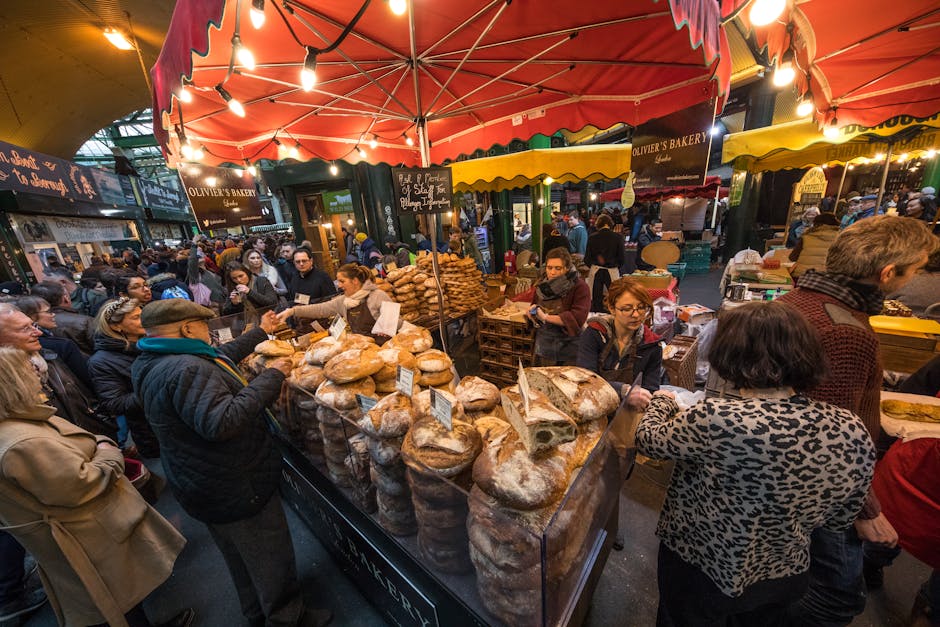
Borough Market
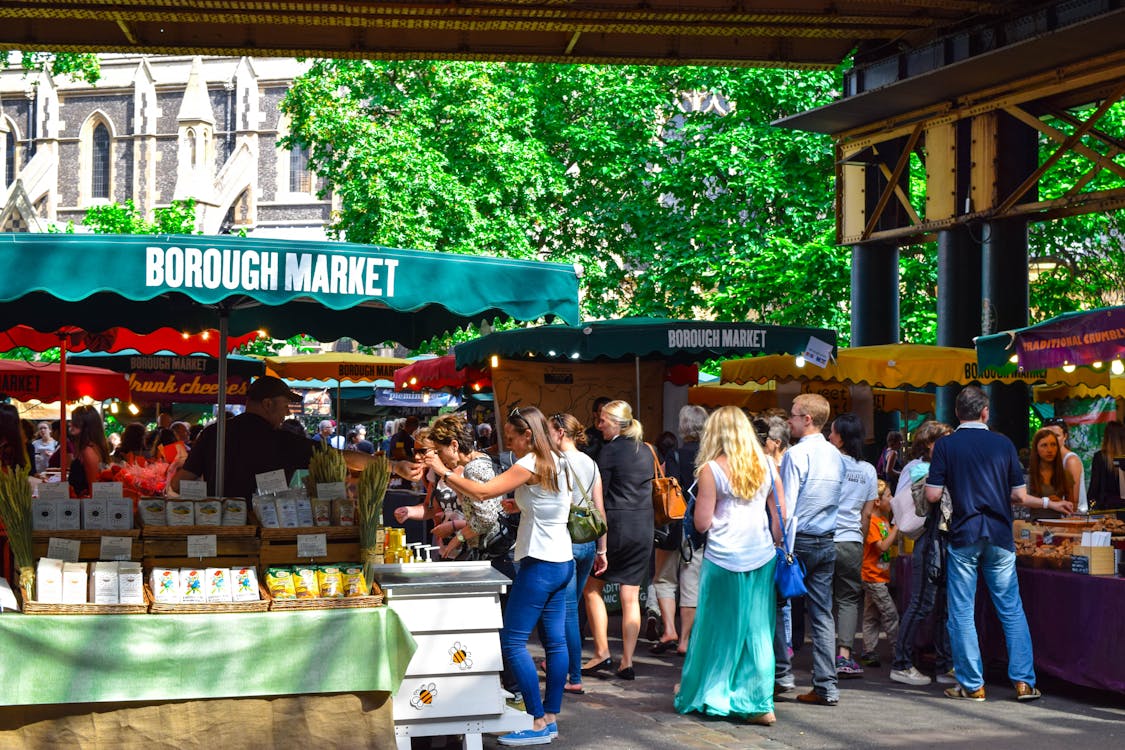
London's oldest and most famous food market, running since at least 1014. Over 100 producers sell bread, cheese, charcuterie, and hot street food under Victorian ironwork on the South Bank. Wednesday–Saturday only; peak hours are 11:00–14:00.

Camden Town
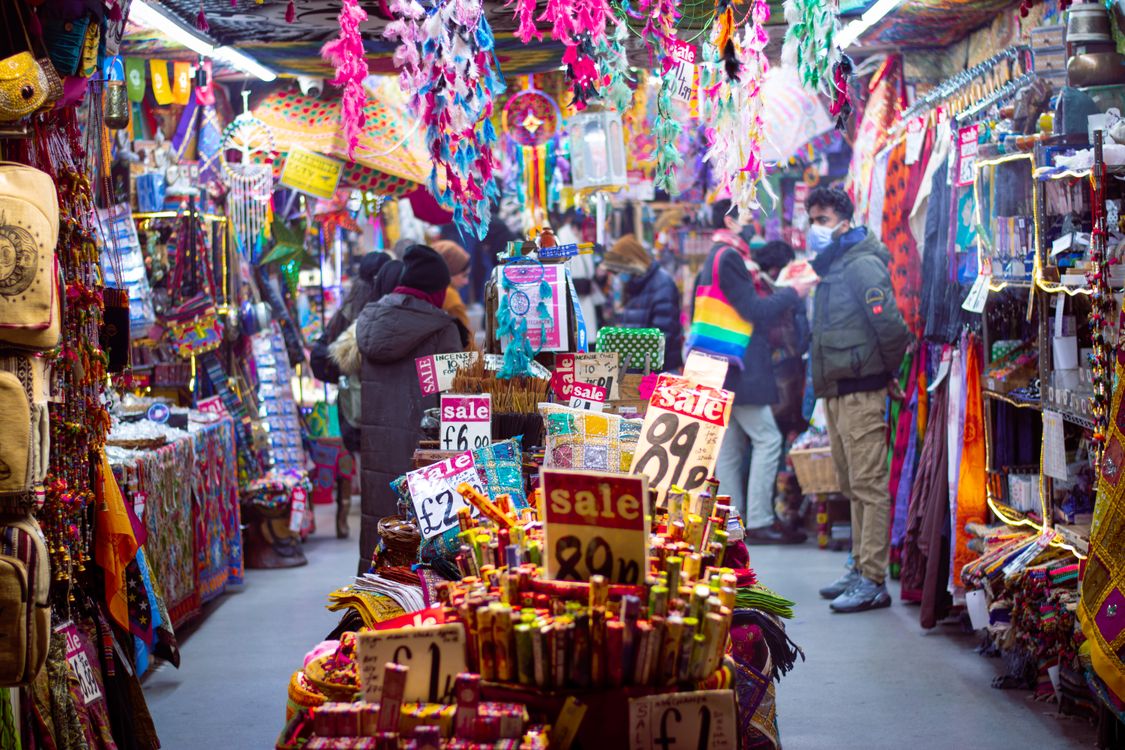
London's alternative quarter: four interconnected markets, 700+ stalls, street food from 40 cuisines, and live music spilling out of the pubs. Weekends are peak chaos — arrive before noon if you want to move. The canal walk to Little Venice takes 45 minutes.

Little Venice
A quiet pocket of Maida Vale where the Grand Union and Regent's Canals meet, lined with brightly painted narrowboats and waterside cafés. A 45-minute towpath walk links it to Camden Market — one of the best low-cost days in London.
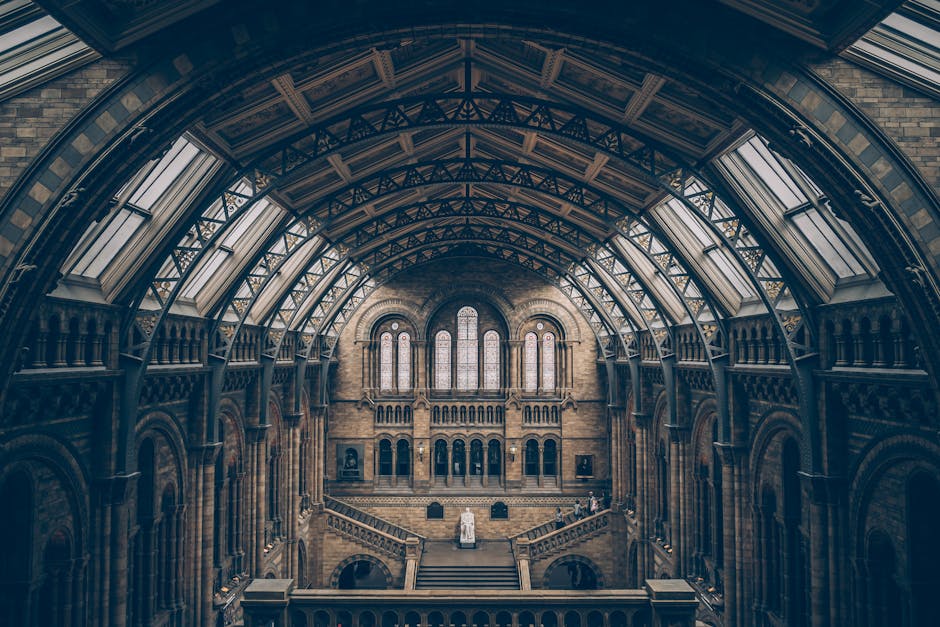
British Museum
Eight million objects spanning 2 million years of human history under one roof. The Rosetta Stone, Elgin Marbles, and Egyptian mummies are here — all free, no booking required. Allow 3 hours minimum; the Great Court alone is worth the detour.

Hyde Park
350 acres of Royal Park with the Serpentine Gallery, the Diana Memorial, and Speaker's Corner (Sundays, anyone can talk). Hire a deck chair, cycle the paths, or swim in the Lido — the park is busiest April–September but never truly crowded.
See the other 14 ↓

National Gallery
Over 2,300 paintings from 1250 to 1900, spanning Van Gogh, Vermeer, Turner, and da Vinci — free entry, no prebooking needed. The main entrance on Trafalgar Square makes it one of the most convenient art museums on earth.

Westminster Abbey
Every English monarch since 1066 has been crowned here. Poets' Corner holds Chaucer, Dickens, and Darwin; the Coronation Chair is still in the Quire. Book tickets online — queues without one can exceed 90 minutes.

Tate Modern
The world's most-visited modern art museum, housed in a converted Bankside power station. The Turbine Hall installations change annually and are always spectacular. Free for the permanent collection; temporary exhibitions typically £20–25.

V&A Museum
The world's largest museum of decorative arts and design: 145 galleries covering 5,000 years of furniture, fashion, ceramics, and jewellery. The Cast Courts (full-size plaster casts of Trajan's Column, David, etc.) are uniquely London.
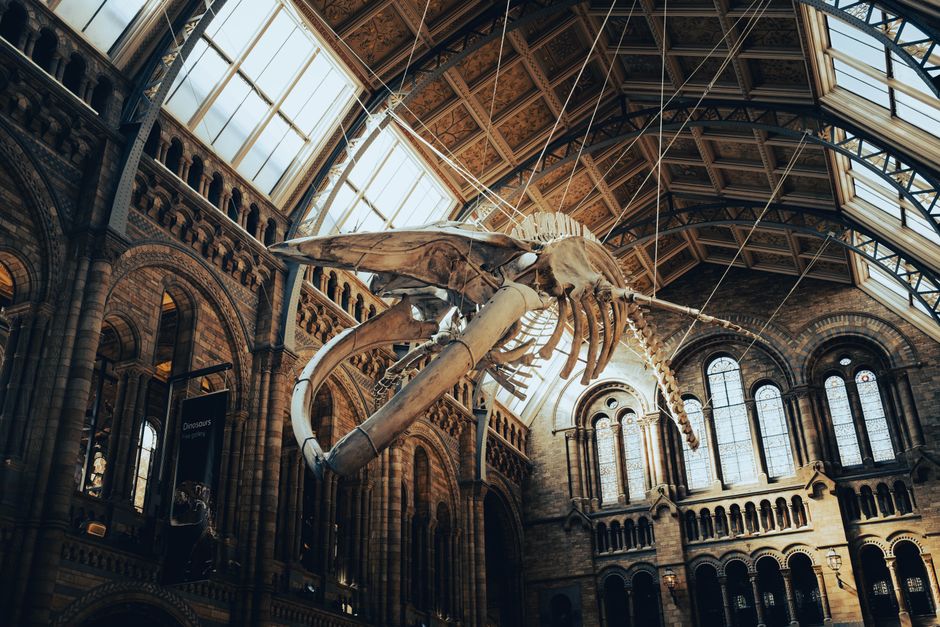
Natural History Museum
Blue whale skeleton in the entrance hall, Hope; dinosaur bones, gemstone vaults, and a living bee colony on the roof. One of the best free days out in London, especially for families. Book a timed-entry slot online in peak season.

Sky Garden
Free rooftop garden on the 35th floor of 20 Fenchurch Street ('the Walkie-Talkie'), with 360° views across the Thames and City of London. Booking is essential and slots fill 3 weeks out — register online well in advance. Worth every effort.

Greenwich Royal Observatory
Stand on the Prime Meridian line, peer through the historic telescope, and see the time-ball drop at 13:00 daily. The hilltop views across the Thames and Canary Wharf are among the best in London. Take the DLR to Cutty Sark for the scenic approach.
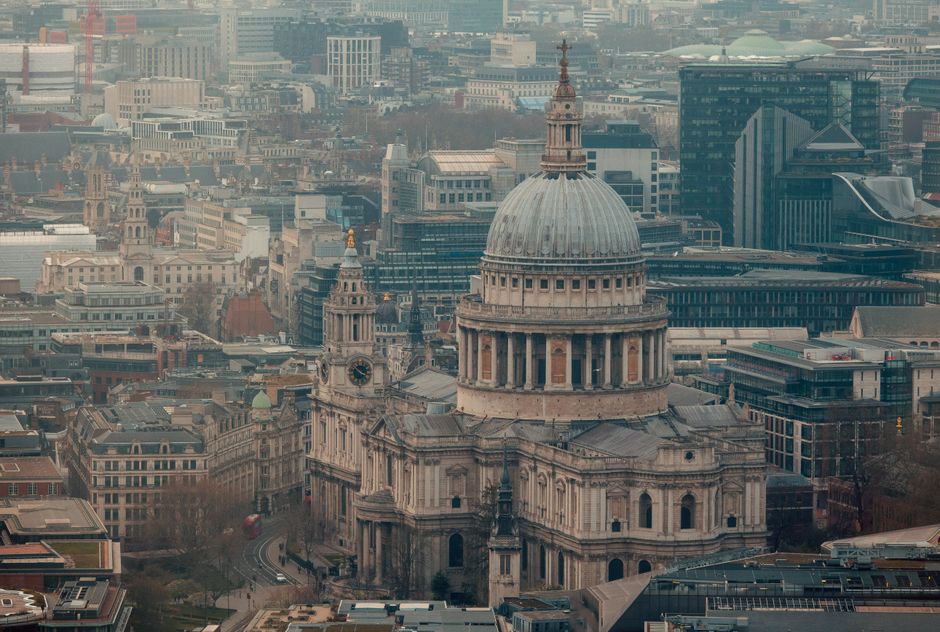
St Paul's Cathedral
Wren's masterpiece took 35 years to build and survived the Blitz intact. Climb to the Whispering Gallery (257 steps) for intimate acoustics, then continue to the Stone Gallery for open-air views. Nelson and Wellington are buried in the crypt below.

Covent Garden
London's most theatrical piazza — street performers, independent boutiques, and the Royal Opera House all within a short walk. The covered market hall dates to 1830. Best on weekday afternoons when the crowds thin and the performers warm up.

Buckingham Palace
The working residence of the British monarch since 1837. The Changing of the Guard ceremony runs Monday, Wednesday, Friday, and Sunday at 11:00 — arrive 30 minutes early to claim a good spot by the railings. State Rooms open to visitors in summer.

Kew Gardens
The world's most important botanical gardens — 50,000 species across 132 hectares in southwest London. The Victorian Palm House, the treetop walkway, and the Japanese gateway make it a half-day minimum. Worth the journey on a clear day.

South Bank
A mile-long riverside stretch that packs in the Tate Modern, Shakespeare's Globe, BFI Southbank, Borough Market, and the London Eye. Completely free to walk. The weekend book market under Waterloo Bridge has been running for 40+ years.

Portobello Road Market
The world's largest antique market — over 1,000 dealers every Saturday spread across three distinct sections: antiques at the north end, food stalls in the middle, and vintage fashion at the south end near the Westway. Saturdays only for the full experience.

Shoreditch Street Art
East London's open-air gallery — Brick Lane, Rivington Street, and Shoreditch High Street host rotating murals by artists including Banksy, ROA, and Zabou. The Nomadic Community Gardens at Pedley Street collect large-format pieces in one courtyard. Best on weekend mornings.
Best views in London
At 244m London's highest public observation deck delivers a 360° view over 60 miles on a clear day.
Best at sunsetFree 35th-floor rooftop garden with unobstructed views east to Canary Wharf — book the bar table to guarantee entry.
The city's best free panorama: Westminster, the City, and Canary Wharf all visible from a grassy hilltop with no barriers.
Best at golden hourStand on the Prime Meridian and look north to see Canary Wharf, the City skyline, and the Thames in a single frame.
Best at morningFree level-10 terrace with a direct face-on view of St Paul's Cathedral across the Thames — no booking required.
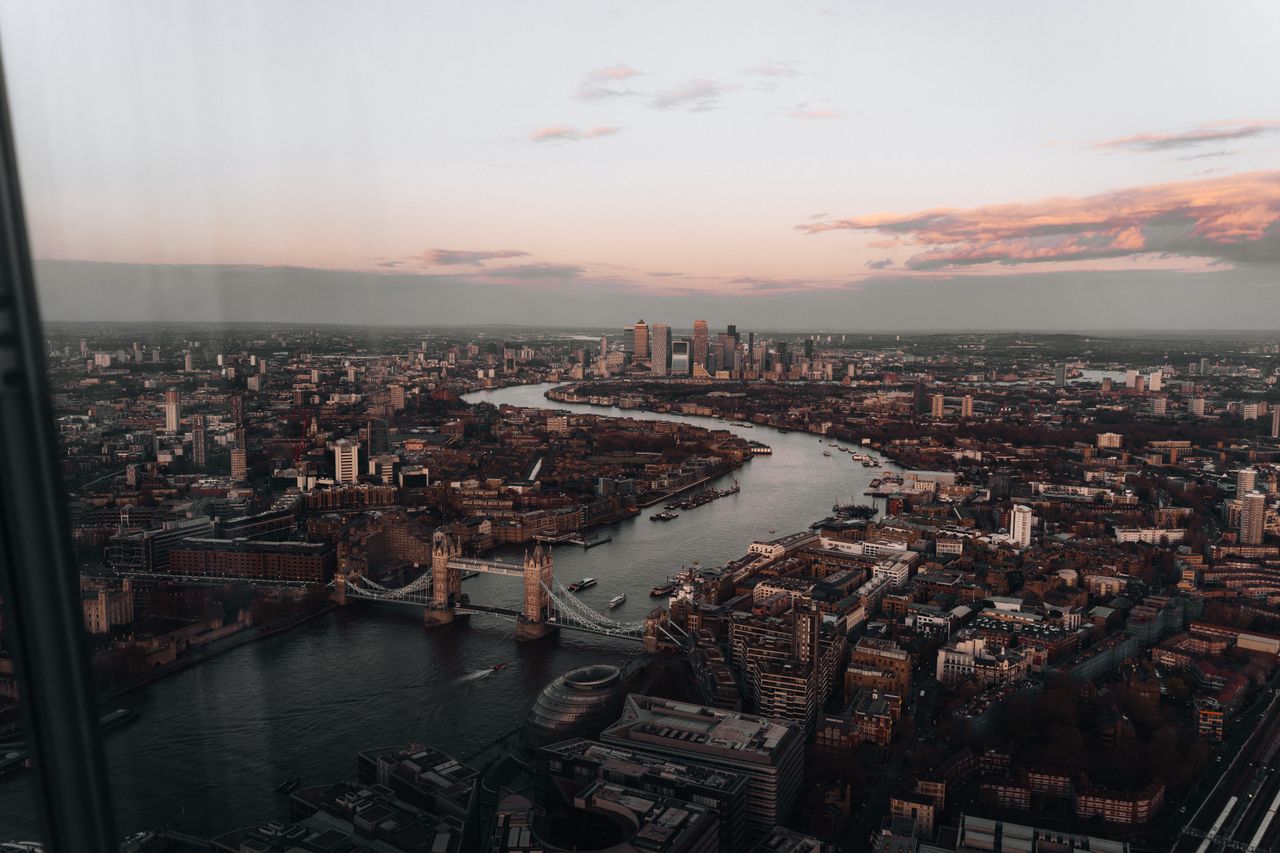
London is one of the few cities that genuinely surprises repeat visitors. Go beyond Zone 1 — the real city lives in Shoreditch, Peckham, and Stoke Newington.
FinderTrip London Research Team · April 2026
London weather month by month
The April–June window gives you 15°C days, evenings light until 9pm, and none of the school-holiday crowds. Avoid August: warmest month, but also the one where half of Europe is at Heathrow. December is cold, grey, and genuinely magical — Christmas markets, skating rinks, zero queues at the museums.
Getting from the airport to central London
Three airports, three different decisions. From Heathrow: the Piccadilly line at £5.50 is what everyone who actually lives in London uses — the £25 Express isn’t worth it unless your hotel is in Paddington. From Gatwick: Thameslink at £10 in 30 min arrives at St Pancras, which beats Victoria for most hotel locations.
Heathrow Express
Fastest, direct to Paddington
Piccadilly line
Budget + covers central London
Uber / Bolt
Late nights, door to door
Gatwick Express
Direct to Victoria
Thameslink
Cheaper + more stops
Uber / Bolt
Off-peak only for price
Stansted Express
Fastest to Liverpool Street
Bus (National Express)
Cheapest, direct to Victoria
Uber / Bolt
Cost rarely worth it
Thameslink to St Pancras
Central London, direct
National Express coach
Cheapest option
Private transfer
Groups, luggage
DLR to Bank
Closest airport to the City
Private transfer
Business travellers
Greater Anglia to Liverpool St
Cheapest fares (Ryanair hub)
Private transfer
Avoiding train connections
Getting around London
Tap contactless card or phone on every reader — never buy an Oyster as a visitor. The daily cap (£8.50 Zone 1-2) means your third Tube journey is effectively free. For east London, the Overground has seats and better frequency than the Tube on the same routes.
Underground + Bus
£2.80 single · £8.50 day cap
Contactless card or phone is cheapest — no need for an Oyster card any more. Daily + weekly caps apply automatically.
Santander Cycles
£3/day
£3 for 24h unlimited rides of 30 min or less. 800+ docking stations across central London.
Rideshare & taxis
~£20 cross-town · Uber, Bolt, FreeNow
Black cabs work too — hail on street. Uber cheapest, FreeNow taps into black-cab supply.
Walking
Walkability 8/10
Central sights are close, but outer neighborhoods (Hampstead, Greenwich, Richmond) need the Tube.
| Pass | Price | Best for |
|---|---|---|
| Contactless pay-as-you-go | £2.80 each | 1–2 day visits, light use |
| Contactless daily cap | £8.50 | Any day of heavy use — caps apply automatically |
| Travelcard 7-day | £42.70 | Week-long trips with daily Tube use |
Is London safe?
Yes — London consistently ranks in the top quartile of safe cities globally. The Metropolitan Police presence is visible in tourist areas. For solo travellers, women, and LGBTQ+ visitors, London is one of the most welcoming cities in Europe. Standard big-city precautions apply.
- Keep your phone in your pocket on the Tube — especially at Oxford Circus, Leicester Square, and Piccadilly Circus stations.
- After dark, stick to well-lit streets. Avoid Peckham, parts of Hackney, and Elephant & Castle late at night.
- Bag snatch on e-bikes is rising in the West End and South Bank. Hold bags close and avoid dangling straps.
- Emergency: 999. Non-emergency police: 101. Tourist police at Piccadilly Circus station.
3 days in London — don't waste your first trip
Start at Borough Market on a Saturday morning — it orients you to the South Bank and sets the tone for the rest of the trip. Day 2 belongs to Shoreditch and the East End: Columbia Road flower market, Brick Lane, Spitalfields. Save the Tower, Buckingham Palace, and Westminster for Day 3, when the initial excitement has worn off and queues feel tolerable.
Iconic Landmarks & South Bank
West End in the morning, river in the afternoon.
Westminster Abbey + Big Ben
Book Westminster Abbey online (£30) to skip the queue. Photograph Big Ben from Westminster Bridge.
London Eye + South Bank
Buy London Eye tickets online for 20% off. Walk east along South Bank to Borough Market for lunch.
Covent Garden + West End show
Half-price West End tickets at TKTS booth in Leicester Square from noon. Book dinner in Covent Garden at 7pm.
Royal London & Tower Bridge
Buckingham to the Tower — history in one straight line.
Buckingham Palace + Changing of Guard
Changing of Guard at 11am (check schedule seasonally). Walk through St James Park to the Palace.
Tower of London
Join the free Beefeater tour first — 45 minutes, worth every minute. Allocate 2.5 hours total. Book skip-the-line.
Tower Bridge + Bermondsey
Cross Tower Bridge at sunset (free on foot). Bermondsey Street has far better restaurants than the tourist strip nearby.
Museums, Markets & East London
Free museums in the morning, street food in the afternoon.
British Museum
Free entry. Go straight to Room 4 (Egyptian) and the Rosetta Stone. Arrive at opening (10am) — crowds build fast after 11.
Shoreditch + Brick Lane
Street art on Shoreditch High Street, then east to Brick Lane for curry and bagels. Sunday market is the best day.
Camden Market
Camden Lock stalls wind down at 7pm — come between 4 and 7 for street food without the main crowds.

Best London tours
Skip the Big Bus open-top and any tour with ‘best of London’ in the title. The Jack the Ripper walk in Whitechapel (evening, 2 hours, £15) is one of the most entertaining guided tours in Europe — even if you don’t care about Victorian crime. The Thames cruise from Tower Bridge is worth the money specifically at the hour before sunset, when the City skyline does what it’s supposed to do.

Thames River Cruise — Tower Bridge to Greenwich
The classic London introduction: 45 minutes from Westminster Pier downriver past the Tower of London, Tower Bridge, and Canary Wharf to Greenwich. Audio commentary. Runs every 30 minutes in peak season.

Borough Market Food & Pub Tour
A guide takes you through Borough Market sampling British cheeses, artisan bread, cured meats, and craft ales before finishing at a Victorian pub for a pint of London Pride. Runs Saturday mornings when the market is at its fullest.

London Open-Top Bus Tour — All Key Areas
Hop-on hop-off bus covering Westminster, South Bank, St Paul's, Tower of London, Oxford Street, Notting Hill, and Kensington in one loop. 24-hour ticket means you can spread it across two days. Best value way to cover all major areas in one trip.
London at a glance
Key attractions, neighborhoods, and restaurant clusters — all in one view.
What to do in London in any weather
London averages 106 rainy days a year, so the rainy-day column below is a genuine planning tool, not a fallback. Everything on the rainy list except Kew is free. Everything on the hot list is within 30 minutes of central London.
🌧 Rainy day ideas
🥵 Too-hot day ideas
London day trips
 Find a tour
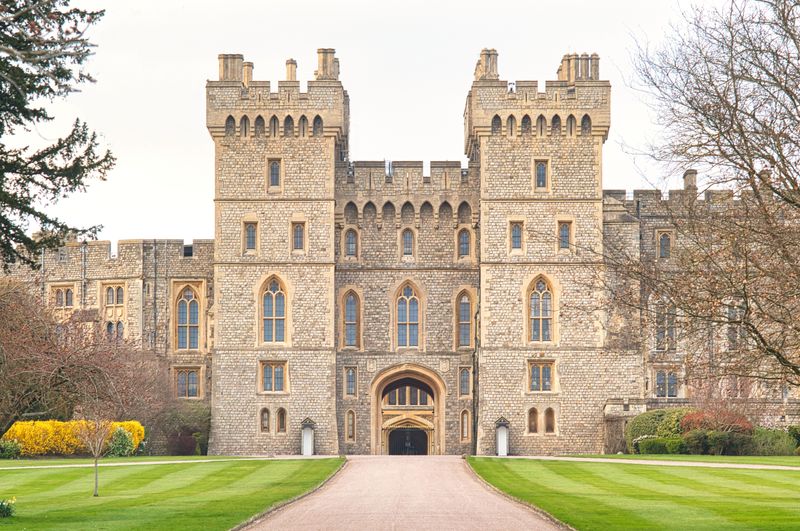
 Windsor Castle
40 km · 0.5h by Train
 Find a tour
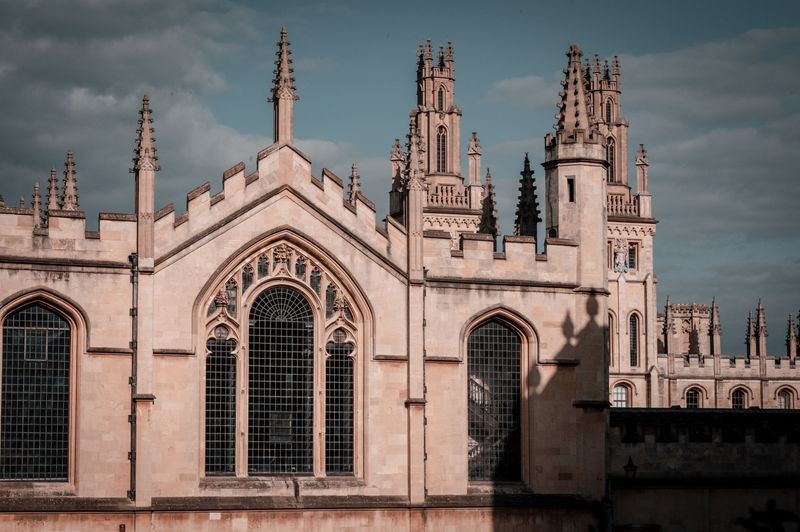
 Oxford
90 km · 1h by Train
 Find a tour
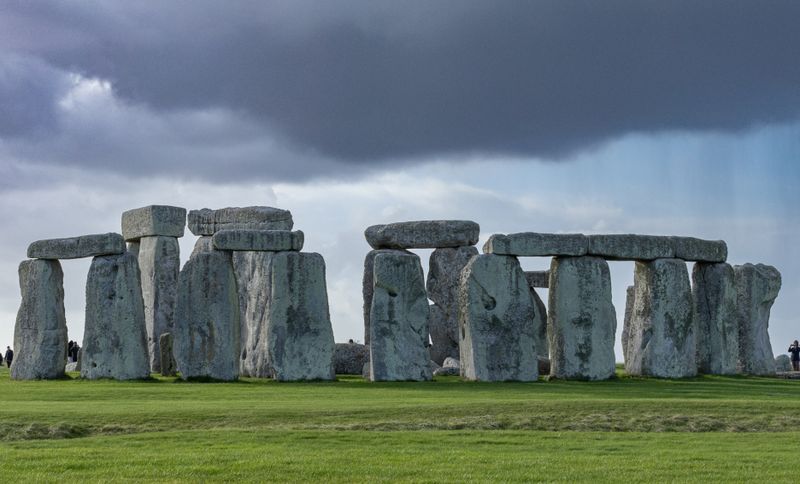
 Stonehenge
140 km · 1.5h by Train
London is the entry point — United Kingdom has more to offer beyond the capital.
Best hotels in London
Zone 1 hotels cost £80–150/night more than Zone 2 for equivalent rooms. The Tube closes at midnight (1am Fri–Sat), so Zone 2 stops working as a strategy if you’re out late. Shoreditch and Bermondsey are the two areas where you can still find mid-range rates within 20 minutes of the main sights.
Mid-range hotels in London average £260/night for a double room. Budget options from £120/night.

Point A Hotel Shoreditch
Shoreditch · Modern compact
- Budget travelers who want central London access Best for
- Compact rooms · tech-led design · easy access to East End
The Pelham London
South Kensington · Boutique townhouse
- Couples after a quiet, intimate London base Best for
- Victorian townhouse · steps from V&A and Natural History Museum · Kemps Bar for nightcaps

The Ned
City of London · Historic grand
- High-end City break in a one-of-a-kind setting Best for
- Former bank · rooftop pool · multiple restaurants

The Hoxton Holborn
Holborn · Design-led
- Design-forward travelers who want a central base Best for
- Central location · buzzy lobby café · good gym
10 free things to do in London
8 million objects spanning 2 million years of human history — free, open daily, no booking required for the permanent collection.
The world's most-visited modern art gallery occupies a former Bankside power station; the permanent collection is always free.
Over 2,300 paintings from the 13th to 19th century in Trafalgar Square, including Van Gogh, da Vinci, and Monet — no entry fee.
The world's largest decorative arts museum holds 2.8 million objects across 145 galleries in South Kensington — free to enter.
The blue whale skeleton and dinosaur gallery are free; the Victorian building itself is worth the trip alone.
350 acres of royal parkland in the centre of the city, with the Serpentine lake, the Diana Memorial Fountain, and Speakers' Corner.
The best free city panorama in London: Westminster, the City, and Canary Wharf in one unobstructed sightline from a grassy hilltop.
The 2km riverside path from Waterloo Bridge to Tower Bridge passes the Tate Modern, Shakespeare's Globe, and Borough Market.
Free 35th-floor rooftop garden at 20 Fenchurch Street — book a free time slot online at least a week ahead.
London's oldest food market (1,000+ years) is free to browse; arrive at 11am on a Thursday or Friday for the best atmosphere.

Trip budget calculator
London is expensive but controllable. Free museums, £4 supermarket meal deals, and the Tube daily cap mean the real damage concentrates in two places: hotel rates and sit-down dinners. If you eat one pub lunch per day and stay in Zone 2, you cut £40–60/day off the mid-range estimate below.
✈️ Airline tickets not included in this estimate.
London for couples — the most romantic city in Britain
Start with the Southbank walk from Tower Bridge to Tate Modern at golden hour — free, photographable, and about 90 minutes at a relaxed pace. Book Borough Market for a Saturday morning together: oysters at Wright Brothers, coffee at Monmouth.
For a splurge evening: dinner at The Ivy or Brasserie Blanc, then the National Theatre or Royal Opera House. For a low-key evening: a play at the Globe (groundling tickets from £5), then drinks in the City.
Couples tip: skip the Eye — the queue-to-view ratio isn't worth it. Primrose Hill at sunset is better and free.
London with kids — three days, zero meltdowns
The big three free museums — Natural History (dinosaurs), Science Museum (hands-on), V&A (design) — are all within 500 metres of each other in South Kensington. Add the Diana Memorial Playground in Hyde Park and you have a full day without spending a pound.
For structure: the Tower of London (kids love the Crown Jewels and the Beefeaters), Hampton Court maze, and the London Eye at night. Book all three in advance — the savings are significant and queues are long.
Family logistics: the Tube is stroller-friendly on most lines, but step-free access varies by station. The Overground and buses are easier with buggies. Oyster/contactless cards for under-11s travel free.
London solo — the city that rewards independent travel
Base yourself in Zone 1 or 2 for the first trip: Shoreditch (creative, young, cheap eats), Marylebone (quiet, walkable, central) or Waterloo (great transport links). All three give you a home neighborhood to return to at the end of the day.
Build your own itinerary by borough: one day East (Spitalfields, Brick Lane, Columbia Road on Sundays), one day West (Portobello Road, Nothing Hill, Holland Park), one day South (Borough Market, Bankside, Bermondsey). Each is a full day on foot.
Solo food tip: London's counter-dining scene is brilliant — Bao, Temper, Koya, and Barrafina all work perfectly for single diners. Avoid Covent Garden restaurants — tourist premium without the quality.
London vs. other cities
London costs more than Paris for hotels (15–20% higher at mid-range), less for museums (most free vs €15–20 at Paris’s big institutions), and roughly the same for sit-down restaurants. A 7-day London trip at mid-range runs about £200 more than the equivalent Paris trip, almost entirely because of accommodation.
Paris
Iconic but exhausting. London wins on ease.
- Paris costs £15-25/day less on food
- London: no language barrier, easier transit
- Paris wins on cuisine; London on diversity
- Both need 4+ days to scratch the surface
- London has far more free world-class museums
Rome
History vs. culture. Different trip entirely.
- Rome is £20-30/day cheaper overall
- London: better for theatre, modern art
- Rome: unmatched for ancient history
- London weather is worse; Rome gets hot
- Logistics easier in London — Tube vs. walking
Barcelona
Sun vs. substance. Depends what you're after.
- Barcelona is £25-40/day cheaper
- London: better food diversity and museums
- Barcelona wins on weather and beaches
- London has more live music and theatre
- Both are 3-4 day minimum city breaks
Where to stay in London: neighborhood guide
Shoreditch is for late nights and morning coffee that costs more than your Tube fare. Marylebone is for people who want a neighbourhood without tourist density. The West End is convenient, pricey, and soulless as a base. South Bank and Bermondsey are the ones to watch: Zone 1 access at near-Zone 2 prices, and better restaurant density per square mile than anywhere north of the river.
Covent Garden
Victorian covered market, theatre land, central and always buzzing
Shoreditch
Converted warehouses, street art, indie coffee, and weekend clubs
South Bank
Riverside walk with Tate Modern, the Globe, and London Eye views
Notting Hill
Pastel townhouses, Portobello market, quiet residential charm
Bloomsbury
Leafy squares, British Museum on your doorstep, university backdrop
Camden
Punk-rock market town, canal-side and loud — cheap eats and live music
Where to eat in London (and what to skip)
Dishoom for the full English breakfast that finally justifies queuing (book Canary Wharf to skip the wait). St. John for British cooking taken seriously — order the bone marrow on toast. Padella for pasta under £10 if you arrive before 6pm. Most London kitchens call last orders at 9:30pm: this is not Paris, lingering over a third bottle is not the default. Sunday roast at a proper pub; Brick Lane on Friday evening when the balti houses are at full tilt.
Borough Market Kitchen ★
The best introduction to London eating: Kappacasein's cheese toastie, Brindisa's chorizo roll, and a pint at The Market Porter. Not a restaurant — a hall of genuine food producers.
St. John Bar and Restaurant ★
Fergus Henderson's nose-to-tail cooking that changed British food in the 1990s. Bone marrow and parsley salad is the dish that started it all. Book 6+ weeks ahead.
Dishoom Covent Garden ★
Bombay cafe food done with precision and soul. The black daal takes 24 hours to cook. Queue before it opens or book the lunch slot — dinner queues hit 90 minutes.
Bao Soho
The pork bao and house sausage fried rice that made London bao famous. Small, unfussy, genuinely good. No reservations — arrive at noon or 6pm.
Padella Borough
Fresh pasta, eight dishes, queues that move fast. Pici cacio e pepe and taglierini with brown butter and sage are the ones to get. No bookings.
What food and drink costs in London
Real prices from local spots — not tourist traps.
London money mistakes — and how to avoid them
London's expensive reputation is mostly hotels and sit-down dinners — everything else is controllable. Five places visitors reliably overpay: the Heathrow Express (£25 vs £5.50 on the Piccadilly line — same destination, 45 minutes longer, £19 saved per person), and café lunches near the main sights (£12–16 vs a £4 supermarket meal deal — £10 saved, repeated daily). Three more below.
1. Tip
Contactless bank card or phone beats Oyster for most visitors — daily and weekly Tube fare caps apply automatically.
2. Tip
Free world-class museums: British Museum, National Gallery, Tate Modern, V&A, Natural History Museum, Science Museum.
3. Tip
TKTS booth in Leicester Square sells West End tickets at 25-50% off on the day — queue from noon.
4. Tip
Supermarket meal deal (Tesco, Sainsbury's): sandwich + snack + drink for £4. Saves £8-12 vs a cafe lunch.
5. Tip
Oyster daily cap is £8.50 Zone 1-2 — after that, Tube rides are free for the rest of the day.
Language in London
British English has 40 ways to say ‘I disagree’ that all sound like agreement: ‘quite’ means barely, ‘interesting’ means I hate it, ‘not bad’ means excellent. The queue etiquette matters more than the vocabulary — get that right and everything else is forgivable.
Say 'cheers' for thank you in pubs and shops — 'thank you' works too but feels slightly formal. Never say 'I could care less' — the British version is 'I couldn't care less' and the distinction matters to them.

London events calendar
Wimbledon in late June fills every hotel within 10 Tube stops and prices surge. Notting Hill Carnival in late August (Europe’s largest street festival, 2 million people over two days) makes the city electric and the Tube unusable. Bonfire Night on 5 November is the most underrated reason to visit London in autumn — free fireworks in every park.
January sales
Major discounts at Oxford Street, Harrods, and online retailers. · First 2 weeks
Chinese New Year
London's Chinatown and Trafalgar Square host the largest CNY outside Asia. · Varies
St. Patrick's Day Parade
Parade from Piccadilly to Trafalgar Square with live music. · Closest Sunday to Mar 17
London Marathon
Crowds line the Thames route from Greenwich to The Mall. · Late April
Chelsea Flower Show
World's most prestigious flower exhibition at Royal Hospital Chelsea. · Late May
Trooping the Colour
The King's official birthday parade; flypast over Buckingham Palace. · Second Saturday
Wimbledon + BBC Proms
Tennis Grand Slam + the world's biggest classical music festival. · First 2 weeks / all summer
Notting Hill Carnival
Europe's biggest street festival — Caribbean music, food, and dance. · Last weekend
London Design Festival
Design installations, showrooms, and talks across the city. · Mid-September
Frieze Art Fair + BFI LFF
Contemporary art fair in Regent's Park + major film festival. · First 2 weeks
Guy Fawkes Night
Fireworks displays citywide; Lord Mayor's Show follows the next weekend. · Nov 5
Winter Wonderland
Hyde Park's Christmas village with rides, markets, ice skating. · Late Nov to early Jan

Common London scams to avoid
London is safe. The five tourist scams below have been working near the main sights for years — the wristband crew on Oxford Street will snap a bracelet on your wrist before you have time to react, then demand a £10–20 donation to a charity that doesn't exist. The move is the same every time. Recognise each once, never get caught twice.
🎴 Three-card monte
Where: Westminster Bridge, tourist areas
Street operator shows 3 cards, you 'bet' on finding the queen. The game is rigged and shills plant fake wins.
🎟️ Fake ticket sellers
Where: Tower of London queue
Men sell 'discounted' tickets outside the official booth. Tickets are counterfeit or already used.
🚲 Pedicab overcharging
Where: Soho, West End
Rickshaw drivers quote £5 per minute only after you start. A 10-minute ride becomes £50+.
💳 Oyster card vendor scam
Where: Outside Tube stations
Men near stations sell 'cheap' Oyster cards that are expired, empty, or registered to other people.
🎗️ Charity wristband hustlers
Where: Oxford Street, Leicester Square
Someone snaps a wristband on you and demands a £10–20 'donation' to a fake charity.
London etiquette — what locals actually care about
Breaking the escalator rule during rush hour earns a stare so pointed it almost makes a sound. The five rules below cover the situations where tourists consistently get it wrong — each one takes ten seconds to learn.
What to pack for London

London weather is famously unpredictable — it can rain in August and be mild in November. A compact rain jacket is non-negotiable. Comfortable walking shoes matter more than you think: the average visitor logs 18,000 steps on a central London day. Our packing list covers every season, including the gear that airport security hates.
Open the packing list →